
December 27, 2025
Unlock LLM citations for your business. Learn how to get Large Language Models to name your business as a source and boost your brand authority in AI search.
You've probably noticed that AI tools like ChatGPT and Gemini are changing how people find information. It's not just about getting a link anymore; it's about being the source the AI trusts. This shift means your business needs to pay attention to something called 'LLM citations' – basically, when these AI models mention your business or content as a reference. Getting these mentions is becoming a new way to build authority and get noticed. This guide will help you understand how to make sure large language models name your business as a source.
Large Language Models, or LLMs, are changing how people find information. Think of them as super-smart assistants that can read, understand, and generate human-like text. For your kitchen and bathroom remodeling business, this means a new way for potential clients to discover you. Instead of just traditional search engine results, they might ask an LLM a question like, "What are the best materials for a durable kitchen countertop?" The LLM then provides an answer, and importantly, it often points to the sources it used. This is where LLM citations come into play – they are the references LLMs provide for the information they generate. When your website is cited, it's like getting a direct endorsement from the AI itself, signaling your authority and expertise.
An LLM citation is essentially a link or a mention of your website within the response generated by an AI. It's not just about being mentioned; it's about being referenced as a source of factual information. For instance, if an LLM is asked about the latest trends in bathroom vanities, and it includes a link to your blog post detailing those trends, that's an LLM citation. These citations are becoming increasingly important because they act as a new form of credibility. When an LLM points to your content, it's essentially saying, "This source is reliable and has the information you're looking for." This is a powerful signal to potential clients who are using these AI tools to research their remodeling projects. It's a way to gain visibility in the new AI-driven search landscape, which is different from traditional SEO.
Traditional search engines have long been the primary way people find businesses online. However, AI-powered search, driven by LLMs, is rapidly changing this dynamic. Instead of a list of blue links, users are increasingly getting direct answers, summaries, and recommendations from AI models. This shift means that simply ranking high in traditional search results might not be enough. You need to ensure your business is visible and cited within these AI-generated responses. The goal is to be the authoritative source that LLMs turn to when answering questions relevant to your services. This requires a strategic approach to content creation and optimization, focusing on making your information easily accessible and understandable for AI crawlers. Understanding how these models select their sources is key to adapting your marketing strategy.
In today's digital landscape, your business's authority is increasingly shaped by how AI models perceive and reference your brand. As Large Language Models (LLMs) like ChatGPT, Gemini, and Claude become primary sources for information, earning a citation within their responses is no longer a secondary concern—it's a direct pathway to establishing credibility and capturing high-intent leads. Think of it as the new benchmark for trust, moving beyond simple website clicks to becoming the recognized source behind the AI's answer.
When an LLM cites your business, it's essentially a stamp of approval, signaling to users that your content is reliable and authoritative. This is particularly important for kitchen and bathroom remodeling contractors. Imagine a potential client asking an AI about "energy-efficient water heaters" or "modern bathroom design trends." If the AI pulls information directly from your website, perhaps a detailed guide you published or a case study showcasing a successful project, it positions your company as a knowledgeable leader in the field. This direct endorsement builds trust at a critical point in the decision-making process, often before they even visit your site. It's about being the recognized expert, not just another option in a list.
Traditional SEO focused on ranking for keywords to drive traffic. The shift towards AI-powered search means visibility is now about being cited. LLMs are becoming the first point of contact for many queries, especially complex ones. If your content isn't being referenced, you're missing out on a significant portion of potential leads. For contractors, this means that while a high Google ranking is still beneficial, an AI citation for "best practices in kitchen waterproofing" or "cost-effective bathroom renovations" can be even more impactful. These AI-driven mentions act as a new form of organic ranking, directing qualified interest directly to your business. This is why optimizing your content for AI crawlers is becoming as important as optimizing for search engines. You need to be discoverable by the bots that power these AI assistants, ensuring your expertise is part of the AI's knowledge base. This is a key part of building digital authority.
LLM citations allow you to actively shape how your brand is perceived and what information is associated with it. Without strategic optimization for AI, you risk having competitors cited instead, or worse, the AI generating inaccurate information that misrepresents your services. By ensuring your content is clear, well-structured, and easily accessible to AI crawlers, you can guide the narrative. For instance, if an AI is asked about "sustainable remodeling materials," and your business has published detailed, data-backed content on this topic, you want to be the source it references. This not only highlights your commitment to sustainability but also influences the user's perception of your brand as innovative and responsible. It's about controlling the information flow and ensuring your unique value proposition is communicated effectively, even when you're not directly interacting with the potential client. This proactive approach to AI visibility is vital for consistent online citations and overall brand recognition.
The goal is to become the foundational source that AI models rely on, transforming passive mentions into active endorsements that drive business growth.
Understanding how Large Language Models (LLMs) attribute information is key to securing mentions. These systems don't just pull data from anywhere; they rely on specific mechanisms to identify and cite their sources. For contractors, this means your content needs to be structured in a way that these AI systems can easily find, understand, and reference.
Not all LLMs operate the same way when it comes to citing sources. Some models, like ChatGPT with its "Advanced Data Analysis" feature or Claude when using retrieval tools, will explicitly show where they got their information. Gemini, for instance, often highlights supporting sources directly within its AI Overviews, frequently favoring content that is well-organized and considered authoritative. Other models might rely more heavily on their pre-trained data and may not provide any citations at all. This variability means your optimization efforts need to consider the specific LLMs that are most relevant to your potential clients' search behavior. The presence and format of citations can significantly influence which sources AI models prioritize.
LLMs often process information in discrete units, or "chunks." When an LLM generates an answer, it might cite the specific section or paragraph (chunk-level) from which it drew the information. In some cases, it can even pinpoint the exact sentence (sentence-level) that supports a particular claim. For contractors, this highlights the importance of having clear, concise statements within your content that directly address common client questions. If an LLM can easily isolate a fact or a service description from a specific part of your webpage, it's more likely to cite that section accurately. This precision in attribution is becoming increasingly important as AI search evolves.
Retrieval-Augmented Generation, or RAG, is a technique that significantly impacts how LLMs provide citations. Instead of relying solely on their internal training data, RAG systems first retrieve relevant information from external sources – like your website – before generating an answer. This process makes the LLM's output more grounded in factual data and allows for explicit source attribution. When your website content is part of a RAG pipeline, the LLM can directly reference your pages as the origin of the information. This is where making your content easily accessible and understandable to AI crawlers becomes paramount. Optimizing your site for these systems can lead to more frequent and accurate citations, driving qualified leads who are actively seeking your services. Understanding how to make your site a reliable source for these AI systems is a core part of securing high-quality leads.
The effectiveness of LLM citations hinges on the AI's ability to accurately pinpoint the source of its information. This requires content that is not only informative but also structured for machine readability and attribution.

To secure high-quality leads through an LLM-centric marketing approach, you must engineer your content to be recognized and cited by these advanced systems. This isn't about hoping for a mention; it's about systematically making your business the definitive source of information for specific queries.
Think of your website as a data source for AI. To be selected, your data needs to be clean, structured, and demonstrably authoritative. This means moving beyond basic SEO and focusing on content that directly answers user intent with verifiable facts.
AI systems, like search engine bots, need to access and understand your content. Technical optimization plays a significant role in this process.
robots.txt file is configured to allow AI crawlers access to the content you want them to index. Consider creating a dedicated AI.txt file (similar to robots.txt) that outlines specific guidelines for AI agents interacting with your site.Your goal is to be the go-to source for queries that lead to high-value leads. This requires a strategic approach to content creation and optimization.
By systematically preparing your content and optimizing your site's accessibility, you position your business to be consistently cited by LLMs, driving qualified traffic and establishing your brand as a trusted authority in the remodeling industry.
You've invested in creating high-quality content for your kitchen and bathroom remodeling business, but are you structuring it in a way that AI can easily understand and cite? The way your information is organized directly impacts its visibility and potential to be featured in AI-generated answers. Think of it as preparing your best work for a discerning critic – clarity and order are paramount.
AI models are trained on vast amounts of text, and they prioritize information that is direct, accurate, and easy to process. When you present facts and figures plainly, you make it simpler for these systems to extract and use your insights. This means moving away from overly descriptive prose and towards statements that get straight to the point. For instance, instead of saying, "Our recent projects have shown a significant increase in client satisfaction," you might state, "Clients report a 25% increase in satisfaction following our kitchen remodels."
AI crawlers and language models look for specific formatting cues to identify key information. Employing clear headings, subheadings, and bulleted lists helps these systems parse your content efficiently. This structured approach not only improves your site's readability for human visitors but also makes it machine-readable. Consider how you present case studies or project details; breaking them down into distinct sections like 'Problem,' 'Solution,' and 'Outcome' aids AI in understanding the narrative and extracting specific data points. This structured approach is key to making your content citation-ready.
Standardized formats like frequently asked questions (FAQs) or step-by-step guides are inherently well-structured and provide direct answers to common queries. When an AI needs to answer a question about, say, the typical timeline for a bathroom renovation, a well-organized FAQ section on your site can be a prime source. Similarly, using templates for project proposals or client testimonials can ensure consistency and make it easier for AI to pull relevant information. This organized presentation helps establish your business as a reliable source of information, which is vital for gaining visibility in the evolving landscape of AI search and optimizing for AI crawlers.
As AI-driven search becomes more prevalent, your brand's visibility needs to adapt. It's no longer just about appearing in traditional search results; it's about being recognized and cited by Large Language Models (LLMs). This shift requires a strategic approach to how your content is structured and presented to AI systems. Think of it as engineering your digital presence to be understood and trusted by machines.
Schema markup and structured data act as a universal translator for AI. By implementing specific code on your website, you provide clear, machine-readable information about your business, services, and content. This helps AI models accurately identify and categorize your brand, making it easier for them to reference your business when answering user queries. For kitchen and bathroom remodelers, this means clearly defining your service areas, types of projects you specialize in (e.g., custom cabinetry, full bathroom renovations), and your unique selling propositions.
Implementing structured data helps AI understand the context and relevance of your content, directly impacting your chances of being cited. This structured information can include details about your company, your team, your portfolio, and even customer testimonials, all presented in a format that AI can easily parse and integrate into its responses.
Your robots.txt file is more than just a tool to manage traditional search engine crawlers; it also dictates how AI agents can access and crawl your site. You need to ensure that AI bots are not blocked from accessing the valuable content you want them to discover. This involves carefully reviewing your robots.txt to allow access to relevant sections of your website, such as your portfolio, case studies, and blog posts that showcase your expertise. Think of it as opening the right doors for AI discovery.
Consider creating a LLM.txt file, similar to a robots.txt file, specifically for AI agents. This file can provide explicit instructions or guidelines for how LLMs should interact with your content. You can use this space to highlight key information, specify preferred citation formats, or even indicate areas of your site that are particularly rich in authoritative data. This proactive step signals to AI systems that you are serious about being a source of information and guides them toward the most relevant parts of your digital footprint. This is a new frontier in AI search visibility, and being an early adopter can provide a significant competitive advantage.

Think of backlinks as votes of confidence from other websites. For Large Language Models (LLMs), these aren't just signals for traditional search engines; they're indicators of your website's credibility and topical relevance. When reputable sites link to your content, it tells AI algorithms that your information is trustworthy and authoritative. This is especially important for contractors who want to be seen as experts in kitchen and bathroom remodels. A strong backlink profile, built through genuine relationships and valuable content, directly influences how LLMs perceive your domain's authority. This means when an AI is asked about, say, the best materials for a quartz countertop, it's more likely to pull information from a site that other respected industry sources have referenced. Building these links isn't about quantity; it's about quality and relevance to your niche. Focus on getting links from home improvement blogs, local business directories, or even design publications. This engineered growth in your backlink profile will pay dividends in AI visibility.
Beyond just links, LLMs are increasingly looking at broader signals of trust. This includes how often your brand is mentioned positively across the web, especially in customer reviews. For remodeling contractors, this means actively managing your online reputation on platforms like Google Business Profile and industry-specific review sites. When LLMs scan these sources, positive reviews and consistent brand mentions act as strong validation. It's like having a chorus of satisfied clients vouching for your work. This external validation helps establish your business as a reliable source, making it more likely that LLMs will cite your content when answering user queries related to your services. Think about it: if an AI is asked for a contractor recommendation, and it sees consistent positive feedback and mentions across multiple trusted platforms, it’s going to favor that business. This is a systematic approach to building trust that directly impacts your AI discoverability.
Creating original research or detailed data studies positions your business as a thought leader. When you conduct your own analysis on remodeling trends, material costs, or project timelines, and then publish this information, you're generating unique, authoritative content. LLMs are designed to find and present factual, data-driven information. If your website is the source of a compelling study on, for example, the ROI of a bathroom remodel, AI models will be more inclined to cite your findings. This type of content provides a distinct advantage over generic blog posts. It demonstrates a deep level of expertise and offers information that competitors likely don't have. Consider partnering with local real estate agents or material suppliers to gather data, then present it in a clear, structured format on your website. This not only attracts human attention but also makes your content highly attractive for LLM citation, driving qualified leads who are looking for in-depth, reliable information. This is how you engineer growth by becoming a primary source for AI knowledge in your sector. For instance, a case study detailing how a marketing strategy tripled a subscriber base highlights the power of data-backed results in establishing credibility.
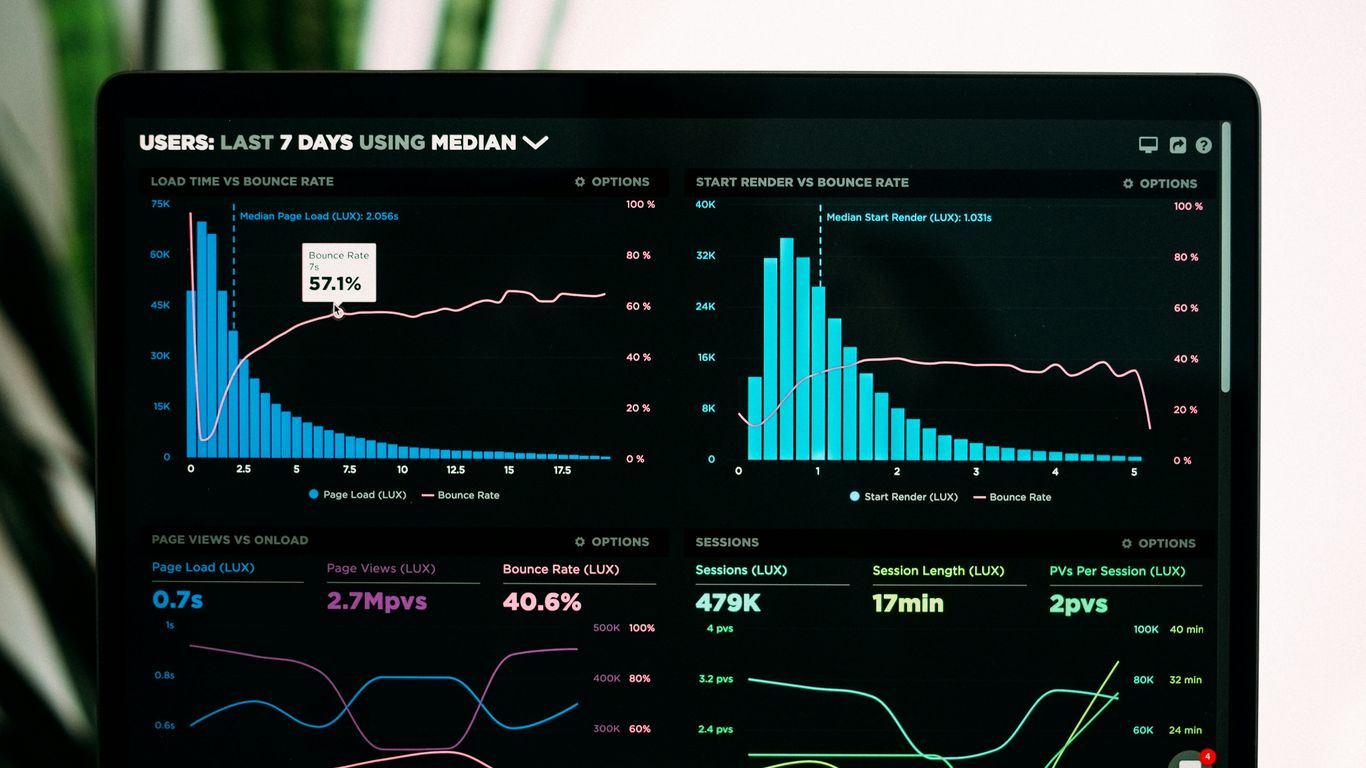
To truly understand your impact in the AI-driven landscape, you need to know how often and in what context your business is being mentioned. This isn't about vanity metrics; it's about tracking the actual performance of your content as a source for large language models. Without this data, you're essentially remodeling a kitchen blindfolded – you might end up with something functional, but you won't know if it's truly optimized for the homeowner's needs or your business's growth.
Your first step is to see where your brand appears. Manually testing prompts across different LLMs is a good starting point. Ask questions related to your services – for example, "best kitchen countertop materials" or "modern bathroom vanity ideas." Then, check if your website is listed as a source in the AI's response. This direct observation helps you gauge immediate visibility. Beyond direct mentions, you must also monitor AI crawler activity. If bots like ChatGPT-User or ClaudeBot aren't accessing your site, you won't get cited. Tools that track bot visits and crawl errors are essential here.
While manual checks offer a glimpse, specialized tools provide a much clearer picture. These platforms can track your brand's mentions and citations across various LLMs, including ChatGPT, Gemini, and Perplexity. They often report on:
These tools move beyond simple mentions to analyze the quality and impact of each citation, giving you actionable insights into your content's authority. Analyzing the sentiment of brand mentions is a critical component of this process.
Knowing you've been cited is one thing; understanding why and how is another. Was your business mentioned because of a specific statistic you published, a unique service feature, or a customer testimonial? Was the context positive, neutral, or even negative? For example, if an LLM cites your company for a specific type of countertop installation, that's a strong signal. If it mentions you in a list of contractors with poor reviews, that's a red flag. Deep-linking is also important – was the citation directed to a relevant service page or just your homepage? This level of detail helps you refine your content strategy to attract more of the right kind of citations, driving qualified leads directly to your most relevant pages.

Even with a solid foundation, your approach to earning LLM citations needs constant attention. Think of it like fine-tuning a high-performance engine; small adjustments can lead to significant gains in lead generation. You must continuously assess what's working and what isn't, making data-driven decisions to improve your visibility.
It's not enough for an LLM to simply mention your business. The goal is to be cited accurately and in a context that drives qualified leads. Sometimes, LLMs might pull information out of context or, worse, miss citing your content when it's directly relevant. To combat this, ensure that every significant claim or statistic on your website has a clear, easily verifiable source. Using canonical URLs helps consolidate signals, preventing confusion for AI crawlers. If a particular topic is often misunderstood, proactively publish clarifying content. This makes your site the definitive source, reducing the chance of misinterpretation by AI.
The digital landscape, especially with AI, changes rapidly. What's accurate today might be outdated tomorrow. Establish a regular content refresh cycle. For your evergreen content, aim to review and update it at least annually. For time-sensitive statistics or research, update them as needed to maintain relevance. Adding a "Last Updated" timestamp to your content signals to AI algorithms that you actively maintain your information, which can positively influence its selection for citations. This proactive approach keeps your content fresh and reliable, making it a more attractive source for LLMs.
Tracking your LLM citation performance is not a one-time task; it's an ongoing process. You need to monitor how often your business is mentioned, the context of those mentions, and the sentiment associated with them. Are the citations positive, neutral, or negative? Are they linked to specific product features or general brand awareness? Analyzing this data allows you to identify which content formats and topics are most frequently cited. Double down on what works. For instance, if your detailed project guides are consistently cited in AI responses about specific remodeling challenges, create more of that content. This iterative process, driven by data, ensures your strategy remains effective and aligned with how LLMs are discovering and presenting information. Consider specialized tools that can help monitor AI crawler activity and citation context to gain deeper insights into your brand's AI visibility. This detailed analysis is key to refining your strategy for sustained growth and lead generation.
The way people find information online is changing, and it's happening fast. For years, the main goal for businesses was to get clicks from search engines. You'd focus on keywords, try to rank high on Google, and hope people would visit your site. That model is becoming less effective. Large Language Models (LLMs) like ChatGPT are now the first place many people go for answers, especially for complex questions. Instead of clicking through to a website, users get direct answers from the AI. This means the measure of success is shifting from how many clicks you get to how often your brand, data, or insights are cited by these AI models. An LLM citation is essentially the AI endorsing your content as a reliable source. While these might not always lead to immediate website visits, they build your brand's authority and trust with potential clients before they even start looking for a contractor. Think of it as a digital nod of approval from a trusted source.
If your marketing strategy still relies solely on traditional search engine rankings, you're at risk of becoming invisible. Competitors who are optimizing for LLMs will gain an advantage. These AI models pull information from vast datasets, and if your business isn't represented in those datasets in a structured, accessible way, the AI simply won't find you. This means fewer potential clients will discover your remodeling services when they ask AI for solutions. To stay ahead, you need to make your content easy for AI to understand and use. This involves clear formatting, factual accuracy, and providing original insights. By becoming a go-to source for AI, you ensure your business remains discoverable as search behavior continues to evolve. This proactive approach is key to long-term growth and securing a steady stream of high-quality leads.
Adapting to LLM-driven search requires a strategic shift. It's not just about tweaking your website; it's about rethinking your entire content approach. You need to create content that is not only informative for humans but also easily parsed by machines. This means using clear headings, bullet points, and factual statements. Consider creating content that addresses specific pain points or questions your ideal clients might ask an AI. For example, detailing the ROI of a specific kitchen remodel or the process for a bathroom renovation can position you as an authority.
Here’s how to start integrating this into your operations:
By focusing on creating and structuring content that AI can easily cite, you build a more robust marketing ecosystem. This approach moves beyond simple keyword chasing and positions your business as a trusted authority, driving more qualified leads through a new, powerful channel. This is how you build a sustainable growth engine for your remodeling business in the evolving digital landscape. For more on how AI is changing advertising, you can look into future of Google Ads.
The shift from clicks to citations means your brand's authority is now measured by its presence in AI-generated answers. This requires a strategic focus on creating structured, factual, and original content that AI models can reliably reference. Building this AI visibility is not just about staying relevant; it's about engineering future growth by becoming a trusted source in the new era of search.
As artificial intelligence changes how people find things online, brands need to be smart about how they show up. AI is making it easier for customers to discover new products and services, but it also means businesses have to work harder to get noticed. Making sure your brand is seen by the right people in this new AI world is super important. Want to learn how to stay ahead? Visit our website to discover strategies for making your brand shine in the age of AI.
Look, the way people find information online is changing, and fast. Large language models are becoming the go-to for answers, and if your brand isn't showing up in their citations, you're falling behind. It's not just about being seen; it's about being trusted. By making your content easy for AI to understand and by actively tracking where you stand, you can make sure your brand is the source these models turn to. Start focusing on this now, and you'll build a solid foundation for visibility and credibility in the AI-driven world.
Think of an LLM citation as a little note from a smart computer program, like ChatGPT or Gemini, that points to where it found the information it's sharing. It's like saying, 'I learned this from this website!' This helps you see if the information is trustworthy and where it came from.
When a big AI program mentions your business or website as a source, it's like getting a stamp of approval. It shows people that your business is knowledgeable and trustworthy. This can make more people trust you and even visit your website, which is super important as more people use AI to find things.
AI programs look for content that is clear, well-organized, and seems like an expert wrote it. They like information that is easy to understand and prove. Having a good reputation online, with other trusted websites linking to yours, also helps a lot.
Yes, you can! You can try asking AI programs questions related to your business and see if they mention your website. There are also special tools that can help you track when and how often your business is mentioned by different AI systems.
AI likes content that is easy to read and understand. This means using clear headings, short sentences, and providing facts. Think about creating lists, answering common questions directly, and making sure your information is up-to-date and accurate.
You can help AI by organizing your website clearly. Using special codes called 'schema markup' can tell AI exactly what your content is about. Also, make sure your website loads quickly and that you haven't accidentally blocked AI programs from visiting your pages.
Being mentioned might just mean your business name pops up. A citation is more specific – it means the AI used information directly from your website to answer a question. Citations are like stronger endorsements because they show the AI relied on your content.
It's not about replacing, but about adding to your strategy. Traditional SEO is still important, but as AI becomes more popular for searching, getting cited by AI is becoming a new way to be seen and trusted. It's smart to do both to make sure your business is visible everywhere.
Your next phase of growth requires a focused strategy. Instantly quantify your potential return with our Marketing ROI Calculator.
You're paying for traffic, but 80% of leads go cold within 10 minutes. Download our Speed-to-Lead Architecture Kit (Calculators + Scripts) and fix your follow-up system today.
Includes the "Revenue Leak" Calculator & Copy-Paste Scripts.