

December 16, 2025
Boost remodeling website rankings with essential Schema Markup. Learn how structured data enhances visibility, drives traffic, and secures top search results.
You're running a remodeling business, and you want more people to find you online. It's a common goal, and there are many ways to try and get there. One method that might not be on your radar, but really should be, is something called Schema Markup. Think of it as a special language that helps search engines like Google understand exactly what your website is about. For remodeling websites specifically, using Schema Markup for Remodeling Websites can make a big difference in how you show up in search results. This article will walk you through why it's important and how you can start using it.

Think of schema markup as a translator for search engines. You're not just putting words on a webpage; you're providing a structured way for Google and other search engines to understand exactly what your business does, what services you offer, and where you operate. For remodeling contractors, this means moving beyond basic keywords and helping search engines connect your expertise with the right homeowners. This structured data is what enables rich results, making your business stand out in crowded search results pages. Without it, search engines are left to guess, which often leads to missed opportunities for your business to appear when potential clients are actively looking for your services.
Structured data, or schema markup, is the code you add to your website to give search engines more context. It's not about tricking search engines; it's about making it easier for them to understand your content and present it in the most helpful way to users. For a remodeling business, this could mean clearly defining your services like "kitchen renovation" or "bathroom remodeling," specifying your service area, or even highlighting your business hours and contact information. This clarity helps search engines match your business with relevant local searches, driving more qualified leads directly to your door.
In today's competitive digital landscape, relying solely on traditional SEO tactics is like trying to build a house with only a hammer. You need the right tools for the job. Schema markup is that specialized tool for remodeling contractors. It's what allows your business to appear in special search result formats, like star ratings for reviews or detailed service listings. These "rich results" grab attention and provide immediate information, significantly increasing the likelihood that a potential client will click on your listing. If your competitors are using schema and you aren't, you're essentially handing them leads. It's a straightforward way to gain a significant advantage and ensure your business is seen by homeowners ready to invest in their homes.
Implementing schema markup is a strategic move that directly impacts your business's visibility and lead generation. It's not just a technical detail; it's a core component of a modern marketing system designed to attract and convert clients.
Here's why it's so important:
To really get your remodeling business noticed online, you need to go beyond just having a website. Search engines are getting smarter, but they still need a little help understanding exactly what you do and why you're the best choice for homeowners. That's where specific types of schema markup come into play. Think of it as giving Google a clear, organized cheat sheet about your business.
For remodelers, being found by local clients is everything. The LocalBusiness schema is your foundation for this. It tells search engines your business name, address, phone number (NAP), operating hours, and even the specific type of local business you are (like HomeImprovementStore or Contractor). This structured data helps you appear in local search results and on Google Maps, which is often the first place homeowners look when they need a contractor now. Getting this right means you're more likely to show up when someone searches for 'kitchen remodeler near me'.
Once you've established your local presence, you need to detail what you actually offer. Using Service schema allows you to list out each specific service you provide – think 'Bathroom Remodeling', 'Kitchen Design', 'Basement Finishing', or 'Custom Cabinetry'. For each service, you can specify details like the service area, pricing information (if applicable), and even link to a dedicated page on your website that explains that service in more detail. This helps search engines understand the breadth of your capabilities and match your services to user queries more accurately. It's about making it easy for potential clients to see if you're the right fit for their specific project needs.
Homeowners rely heavily on reviews when choosing a remodeler. Review and AggregateRating schema markup allow you to display your average star rating and the number of reviews directly in the search results. This visual cue builds immediate trust and credibility. When potential clients see that you have a high rating from many satisfied customers, they are far more likely to click on your listing. This structured data pulls information from your existing reviews, making your online reputation work harder for you. It’s a powerful way to stand out from competitors who aren’t displaying this social proof.
Homeowners have a lot of questions before they commit to a remodeling project. The FAQPage schema lets you directly answer these common questions on your website and have those answers potentially appear in Google's featured snippets. Questions like 'How long does a kitchen remodel take?' or 'What is the average cost of a bathroom renovation?' can be addressed. When Google pulls your structured answer into a featured snippet, it positions your business as an authority and can significantly increase your visibility. This is particularly effective for capturing voice search queries, as voice assistants often pull answers directly from these structured FAQs. Implementing this type of schema is a smart move for lead generation through calls or form submissions.
Implementing these specific schema types isn't just about ticking a box for SEO; it's about engineering your online presence to be understood and favored by search engines, directly impacting your ability to attract qualified local leads. It’s a system designed for growth.

Implementing schema markup might seem like a technical hurdle, but it's a strategic move that directly impacts your lead generation systems. Think of it as providing a clear, organized blueprint for search engines, so they understand precisely what you do and who you serve. This clarity is what separates businesses that get found from those that remain invisible.
Not all schema types are created equal, and for remodeling contractors, precision is key. You need to select markup that accurately reflects your specific services and geographic focus. For instance, if you specialize in high-end kitchen renovations in a particular city, your schema should highlight this. This isn't about stuffing keywords; it's about providing structured data that aligns with user search intent. Consider these primary types:
Once you've identified the appropriate schema types, the next step is integration. This involves adding specific code snippets to your website. While it sounds technical, many modern Content Management Systems (CMS) and SEO plugins simplify this process. The goal is to embed structured data in a way that search engines can easily read and process. For example, using the LocalBusiness schema involves defining properties like name, address, telephone, and areaServed. Properly implemented, this data can appear in rich results, making your business listing stand out.
To streamline the implementation process and minimize errors, several tools can assist you. These tools help generate the correct schema code and often provide ways to test its validity before publishing.
Implementing schema markup is not just a technical task; it's a strategic investment in your online visibility. By carefully selecting and integrating the right schema types, you provide search engines with the precise information they need to rank your remodeling services effectively, leading to higher quality leads and a stronger return on your marketing investment. Remember, accurate data leads to better search engine visibility.
After implementation, always verify your work. Tools like Google's Rich Results Test are invaluable for confirming that your schema is correctly formatted and eligible for rich results. This verification step is critical for ensuring your efforts translate into tangible search engine benefits.
Think of schema markup as a translator, helping search engines like Google understand precisely what your remodeling website is about. When you implement structured data, you're not just adding code; you're providing context. This context allows search engines to display your information in more engaging ways directly on the search results page. For instance, instead of just a plain text listing, your services might appear with star ratings, pricing information, or even upcoming availability. This makes your listing stand out significantly from competitors who haven't adopted this approach. This visual advantage directly translates into a higher likelihood of potential clients clicking on your link. It’s about making your business immediately recognizable and appealing in a crowded search landscape.
Search engines are constantly trying to figure out the intent behind a user's query and match it with the most relevant content. Without schema, they have to make educated guesses based on keywords and general page structure. Schema markup removes the guesswork. By using specific types of schema, like Service or LocalBusiness, you explicitly tell search engines that you are a remodeling contractor serving a particular area and offering specific services. This clarity helps them categorize your business accurately and understand the value you provide. This improved comprehension means your website is more likely to be shown for relevant searches, even if your keyword density isn't the absolute highest. It’s about being understood, not just found.
When search engines understand your content better, they can present it more effectively. This often leads to what are known as 'rich results' or 'rich snippets'. These are enhanced search listings that provide more information directly on the search engine results page (SERP). For a remodeling contractor, this could mean showing your average customer rating, the types of services you specialize in (e.g., kitchen remodels, bathroom renovations), or even links to specific project pages. These informative listings are far more compelling than standard blue links. They give users a clearer picture of what you offer before they even click, which can significantly boost your click-through rate (CTR) and, consequently, drive more qualified organic traffic to your website. It’s a direct pathway to attracting clients who are already interested in what you do. You can see how this structured data helps search engines better comprehend your content.
Here's a simplified look at how schema can impact visibility:
Adopting schema markup isn't just about ticking a technical SEO box; it's about engineering your online presence to be more understandable and appealing to both search engines and potential clients. This structured approach to data is a strategic move to ensure your remodeling business gets noticed for the right reasons.
In today's crowded digital landscape, simply having a website isn't enough. You need to actively work to stand out. Implementing schema markup is a strategic move that gives your remodeling business a significant advantage over competitors who haven't adopted this technology. It's about speaking the search engine's language more fluently, making it easier for them to understand and rank your content.
Think of schema markup as providing a detailed blueprint for search engines. When you use it, you're not just listing your services; you're defining them with structured data. This clarity helps search engines present your business more effectively in search results. For remodeling contractors, this means moving beyond basic text listings and appearing in more prominent, informative ways. This structured data helps search engines better understand your business, leading to improved visibility and performance in local search results. It's a direct way to get ahead of businesses that are still relying on older SEO methods.
One of the most tangible benefits of schema is the increased likelihood of appearing in coveted spots like featured snippets and knowledge graph panels. These positions offer unparalleled visibility. For instance, if someone searches for "best bathroom remodelers near me," and your business has well-implemented schema, you're more likely to be the answer presented directly at the top of the page. This isn't just about being seen; it's about being recognized as an authoritative source. Properly structured data can help your business capture these high-impact placements, driving more qualified traffic directly to your remodeling services.
Beyond just visibility, schema markup builds trust. When search engines can clearly understand your services, your business hours, your location, and especially your customer reviews through AggregateRating schema, they can present this information confidently to users. This confidence translates to potential clients. Imagine a homeowner researching kitchen renovations. Seeing star ratings and concise service descriptions directly in the search results, thanks to schema, makes your business appear more credible and reliable than a competitor without this structured information. This is particularly important when converting traffic from platforms like Meta, where demonstrating reliability is key to securing bathroom remodeling leads.
Here's how different schema types contribute to building trust:
Implementing schema markup is not merely a technical task; it's a strategic investment in how your remodeling business is perceived online. By providing search engines with clear, structured information, you significantly increase your chances of outranking competitors and capturing the attention of potential clients actively searching for your services.
After you've put in the work to add schema markup to your remodeling website, the next logical step is to confirm it's working as intended. This isn't just a 'nice-to-have'; it's a critical part of your SEO system. If your structured data isn't implemented correctly, it won't be recognized by search engines, and you'll miss out on the benefits. Think of it like building a beautiful custom kitchen – you wouldn't hand over the keys without a thorough inspection, right? The same applies here.
Validating your schema markup is about ensuring accuracy and preventing errors that could hinder your search engine visibility. Incorrectly formatted code can lead to your structured data being ignored, or worse, misinterpreted. This means the rich results you were aiming for might never appear, and your efforts could be wasted. Proper validation confirms that search engines can read and understand the information you're providing. It's the quality control step that guarantees your structured data is ready for prime time.
Google's Rich Results Test is your go-to tool for checking how your structured data appears in search results. You can input your website's URL or paste in your code directly. The tool will then analyze your markup and show you a preview of what a rich result might look like. It also flags any errors or warnings, giving you specific guidance on what needs to be fixed. This is an indispensable part of your SEO process.
When you run your schema through a testing tool, you might encounter a few common issues. These often relate to missing required properties, incorrect data types, or syntax errors. For instance, if you're using LocalBusiness schema, ensure you've included essential fields like name, address, and telephone. If you're using FAQPage schema, make sure each question and answer pair is correctly formatted. Here are some typical problems and how to approach them:
Don't get discouraged if you find errors. Schema markup implementation is a technical task, and it's normal to need a few adjustments. The key is to address these issues systematically using the feedback from testing tools.
Regularly checking your schema markup, especially after making website updates, is a smart practice. It helps maintain your site's performance and ensures you continue to benefit from structured data. For a more robust website, consider how responsive design complements your technical SEO efforts.
While the foundational schema types like LocalBusiness and Service are vital for getting noticed, you can push your visibility further. Think about how search engines interpret rich media and brand authority. Implementing more advanced schema can significantly refine how your remodeling business is presented in search results, attracting a more qualified audience.
Homeowners want to see your work, not just read about it. Video is incredibly powerful for remodeling contractors. By using VideoObject schema, you tell search engines exactly what your videos are about – think project walkthroughs, before-and-after transformations, or client testimonials. This structured data helps your videos appear in more prominent search features, like video carousels, driving more engaged traffic to your site. This structured approach to video content can dramatically increase engagement and lead generation.
Beyond individual services, your entire company has a story and a reputation. Organization schema helps search engines understand your brand's identity, including your logo, social profiles, and contact information. This builds a more robust knowledge panel for your business, establishing you as a credible and established entity in the remodeling space. It's about building trust before a potential client even clicks through to your website. You can find more information on how to structure your content to establish digital authority.
Do you host client education workshops, open house events for completed projects, or community outreach programs? Event schema is designed for this. It allows you to clearly define event details like dates, times, locations, and descriptions. This structured data can lead to your events being featured directly in search results, attracting local homeowners interested in learning more or experiencing your work firsthand. It’s a direct way to engage potential clients and showcase your community involvement.
Think of your website like a well-oiled machine. Technical SEO and schema markup are the engine and the navigation system, working together to get you where you want to go – more leads and bigger projects. You can have the most beautiful website with stunning project photos, but if search engines can't properly understand what you do and where you do it, your visibility will suffer. It's about making sure the foundation is solid before you build the house, so to speak.
Search engines send out little bots, or crawlers, to explore websites. If your site structure is a tangled mess, these bots get lost. This means they might miss important pages or not understand the relationship between different parts of your site. For a remodeling contractor, this could mean a page detailing your kitchen renovation services isn't properly linked to your portfolio of kitchen projects, or that your service area information is buried too deep. A clear, logical site structure, often using a hierarchical approach, helps these crawlers efficiently index your content. This makes it easier for search engines to understand your business and rank you for relevant local searches. We analyze your website's technical SEO, structured data, and on-page content to improve its readability for answer engines [0323].
Let's be honest, most homeowners are searching for remodelers on their phones. If your website isn't easy to use on a small screen – meaning it's not mobile-friendly – potential clients will leave. Google notices this too, and it impacts your rankings. Similarly, security is no longer optional. Having an HTTPS connection shows visitors and search engines that your site is secure, building trust. This is especially important when people are considering sharing their contact information or project details with you. A secure, mobile-responsive site is a basic requirement for any business serious about online growth.
An XML sitemap is like a roadmap for search engines. It lists all the important pages on your website that you want them to find and index. When you add schema markup to your pages, including this information in your XML sitemap helps search engines discover and process that structured data more effectively. It's a direct way to tell search engines, "Hey, pay attention to this specific information on this page." This synergy between a well-maintained sitemap and accurate schema markup significantly improves how search engines understand and display your remodeling services, potentially leading to better search result appearances. Creating a customized digital marketing strategy that integrates website elements to improve search engine visibility and performance [c545] is key.
Technical SEO and schema markup aren't separate tasks; they are intertwined components of a robust online presence. Neglecting one weakens the impact of the other. For remodeling contractors, this means a more efficient path to being found by homeowners actively seeking your services.
You've probably noticed how often people are using voice assistants these days, asking Siri, Alexa, or Google Assistant everything from the weather to directions. This shift in how people search presents a new opportunity for your remodeling business. By structuring your website's content with schema markup, you make it easier for these voice assistants to understand and relay your information. This means when someone asks, "What are the best kitchen remodelers near me?" or "How much does a bathroom renovation cost?", your business has a better chance of being the one that gets heard.
The key is formatting your data so it's easily digestible by these systems. Think of it like preparing a meal for someone with very specific dietary needs; you need to present it in a way they can readily consume.
Here's how schema markup helps with voice search:
speakable property within schema can identify parts of your content that are most suitable for text-to-speech. This contributes to a better overall user experience for voice assistants.Voice search is growing, and the way people find information is changing. If your website isn't optimized for it, you're missing out on a significant segment of potential clients who prefer hands-free searching. Structured data is your tool to ensure your business is found when it matters most.
Implementing these schema types isn't just about staying current; it's about engineering your online presence to capture leads from every angle. By making your website speak the language of voice assistants, you're building a more robust system for attracting clients who are actively seeking your remodeling services. This proactive approach to local search optimization is what separates businesses that merely exist online from those that actively generate high-quality leads.
Search engine results pages (SERPs) are competitive. You want your remodeling business to stand out, and that's where rich snippets come in. Schema markup is the engine that powers these enhanced listings. By providing search engines with structured data about your services, projects, and customer feedback, you enable them to display more information directly in the search results. Think of it as giving potential clients a preview of what you offer before they even click. This isn't just about looking good; it's about making your listing so compelling that users can't help but choose you over a competitor. A well-structured listing with star ratings, pricing information, or even upcoming event details can significantly grab attention.
Why do rich snippets work? It boils down to trust and immediate value. When a user sees star ratings from other customers, they instinctively feel more confident in your business. If they see that you offer free estimates or have a clear service area listed, it answers a key question upfront. This psychological nudge is powerful. People are more likely to click on a listing that appears informative, credible, and directly relevant to their immediate needs. For remodeling contractors, this means showcasing your best work and customer satisfaction right in the search results, making the decision to contact you much easier. It’s about reducing perceived risk for the client.
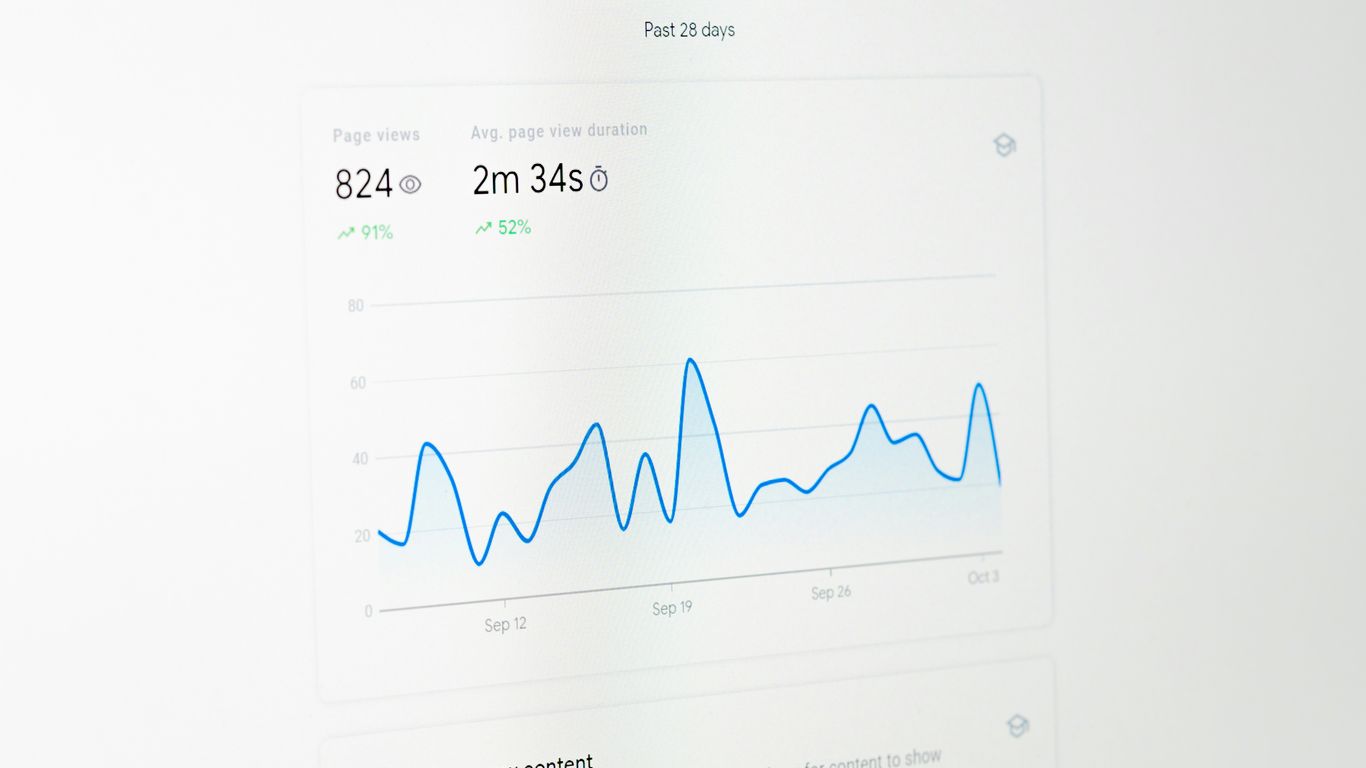
Tracking the impact of your schema markup is vital for understanding its return on investment. The primary metric here is your Click-Through Rate (CTR). You can monitor this in tools like Google Search Console. Look for increases in CTR for pages where you've implemented specific schema types, such as Service or AggregateRating. A noticeable jump in CTR indicates that your rich snippets are effectively attracting more user attention. It’s a clear sign that your structured data is working to bring more qualified leads to your website. Regularly reviewing these analytics allows you to refine your schema strategy and optimize for even better performance.
Here's a basic way to track the impact:
Implementing schema markup isn't a set-it-and-forget-it task. It requires ongoing attention to detail and a commitment to providing search engines with accurate, up-to-date information about your remodeling business. The goal is to make your business the most visible and trustworthy option in local search results, driving a consistent flow of high-quality leads.
Want to make your website stand out and get more clicks? Using rich snippets can really help! These special descriptions show up in search results and give people more info about your page. It's like giving your website a little extra boost to catch someone's eye. Ready to see how we can make your site shine? Visit our website today to learn more!
So, you've learned about schema markup and why it's a smart move for remodeling websites. It's not just some techy thing for SEO geeks; it's a practical way to help search engines understand what you do. This means your business can show up better when people are looking for services like yours. Remember to test your markup using tools like Google's Rich Results Test to make sure it's working right. If all this sounds a bit much, don't sweat it. There are people who can help get this set up for you, so you can focus on remodeling homes. Getting this right gives you a real advantage over competitors who haven't bothered. Start using schema today and see how it can help your website get noticed.
Think of schema markup as a special code you add to your website. It's like giving search engines, such as Google, a cheat sheet so they can better understand what your remodeling business offers. This helps your website show up more clearly and accurately in search results, making it easier for potential clients to find you when they need services like kitchen makeovers or bathroom renovations.
When you use schema markup, your website can appear with extra helpful details in search results, like star ratings from happy clients or a list of specific services you provide. These eye-catching additions, called rich results, make your listing stand out from others, encouraging more people to click on your website.
Absolutely! Using 'LocalBusiness' schema is key. It tells search engines important details about your business, like your address, phone number, and operating hours. This helps your remodeling business show up when people search for services in your neighborhood or city, making you more visible to local customers.
For remodelers, 'LocalBusiness' schema is a must for local searches. 'Service' schema helps you list every specific remodeling job you do, like 'deck building' or 'basement finishing.' Also, 'Review' and 'AggregateRating' schemas are great for showing off positive feedback from past clients, building trust.
It might sound technical, but it's often easier than you think. There are tools, like Google's Structured Data Markup Helper, that can guide you through the process. Many website platforms also have plugins that can help you add schema without needing to be a coding expert.
You should always test your schema! Google offers a free tool called the 'Rich Results Test.' You just put your website's address into the tool, and it will tell you if your schema is set up right and if it can create those helpful rich results.
Yes, it does! Schema markup helps make your information clearer for all devices, including phones. For voice search, like asking Siri or Alexa a question, schema helps provide direct answers from your website, making you more likely to be the chosen result.
The good news is that schema markup itself is completely free to use. Tools for creating and testing it, like Google's Rich Results Test, are also free. You can implement it without any extra cost to your business.
Your next phase of growth requires a focused strategy. Instantly quantify your potential return with our Marketing ROI Calculator.
You're paying for traffic, but 80% of leads go cold within 10 minutes. Download our Speed-to-Lead Architecture Kit (Calculators + Scripts) and fix your follow-up system today.
Includes the "Revenue Leak" Calculator & Copy-Paste Scripts.