

January 8, 2026
Stop fragmented marketing from devouring your remodeling business profits. Learn why scattered efforts kill margins and how to achieve focused success.
You've built a remodeling business with skill and dedication, but are you watching profits slip away? It's a common problem, and often, the culprit is fragmented marketing. This approach scatters your efforts, making it tough to connect with the right people and get them to choose you. Let's look at why this scattered strategy is hurting your bottom line and how you can fix it.
You're likely seeing it every day: your marketing efforts feel scattered, like trying to catch water with a sieve. This isn't just frustrating; it's actively eating into your remodeling business's profits. In today's world, attention is a scarce commodity, and when your message is spread too thin across too many platforms without a clear strategy, it simply gets lost. The cost of capturing even a moment of a potential customer's attention has skyrocketed.
Think about how quickly you scroll past online content. Your potential clients are doing the same. The average person is bombarded with thousands of marketing messages daily. For remodeling contractors, this means you have mere seconds, sometimes less than two, to make an impression. If your message isn't instantly clear and compelling, it's gone. This isn't about blaming the audience; it's about understanding the reality of the attention economy.
We're all drowning in information. Every platform, from social media feeds to search engine results, is packed with competing messages. When your marketing is fragmented, it contributes to this noise rather than cutting through it. Generic, unfocused campaigns get lost in the shuffle, failing to connect with homeowners who are actively looking for specific solutions. You need to be where your ideal clients are, with a message that speaks directly to their needs, not just shouting into the void. Consider how you can use Google Ads to reach homeowners actively searching for your services.
Capturing attention isn't free. In fact, the cost has increased dramatically over the last few decades. When your marketing efforts are fragmented, you're spending money and resources across many channels without a clear return on investment. This inefficient spending drains your budget and reduces the profit margin on every project. A systematic approach to marketing, focusing on high-quality content and strategic distribution, is key to making your marketing spend work harder for you. This is why enhancing your online marketing strategies is so important.
Trying to be everywhere at once with a vague message is the quickest way to waste your marketing budget and see your profit margins shrink. You need a focused strategy that speaks directly to the right audience at the right time.
You might think that being everywhere your potential customers could possibly be is the key to getting more business. It’s a common thought: if we just put our name out there on more platforms, surely more leads will follow. But this approach often leads to scattered efforts and, consequently, scattered results. Spreading your marketing budget too thin across too many channels without a clear strategy is like trying to catch fish with a net full of holes – you might snag a few, but you’re mostly just wasting your time and resources.
When you try to be active on every social media site, run print ads, sponsor local events, and maybe even dabble in direct mail, your message gets diluted. Your team’s energy is split, and the quality of your output on each platform suffers. Instead of deeply engaging with a targeted audience on a few key channels, you end up with superficial presences everywhere. This lack of focus means your brand story doesn't get told effectively, and potential clients don't get a clear picture of what makes your remodeling business stand out. It’s a classic case of quantity over quality, and in marketing, quality is what converts.
Many contractors jump into new marketing channels without a solid plan. They might see a competitor having some success on TikTok and decide to jump on board, or hear about the power of email marketing and start sending out generic newsletters. Without understanding who you’re trying to reach and what message will actually connect with them on that specific platform, you’re essentially throwing money into the void. This haphazard testing can quickly drain your marketing budget, leaving you with little to show for it. It’s far more effective to identify the channels where your ideal client spends their time and focus your efforts there. For instance, many cabinet dealers waste significant amounts of money on ineffective marketing, often spending on outdated channels like print ads and home shows, instead of focusing on Google Ads and Local SEO.
Trying to appeal to everyone means you appeal to no one. Your remodeling business likely has a specific type of client it serves best – perhaps homeowners looking for high-end kitchen renovations or families needing functional bathroom updates. Instead of casting a wide, unfocused net, you need to identify these ideal clients and understand where they look for information and what problems they need solved.
Consider these points:
A systematic approach to customer acquisition, rather than ad hoc efforts, is what separates profitable remodeling businesses from those struggling to gain traction. It’s about engineered growth, not just hoping for the best.
By focusing your resources on the channels and messages that directly reach and speak to your target audience, you’ll see a much higher return on your marketing investment. It’s not about being everywhere; it’s about being where it counts.

In today's world, attention is a scarce commodity. People are bombarded with thousands of messages daily, from billboards to social media feeds. If your marketing message isn't crystal clear and immediately relevant, it's likely to be ignored. Generic pitches that try to appeal to everyone end up appealing to no one. You need to articulate your brand's story in seconds, not minutes.
Think about your own online behavior. How much time do you spend looking at ads? Most likely, very little. Studies show that on platforms like Facebook, users might only look at an ad for 1.7 to 2.5 seconds. That's barely enough time to register a logo, let alone understand what you're offering. If your message is vague, like "We do great renovations," it won't stand out. Homeowners are looking for specific solutions to their problems, not broad statements. They want to know exactly what you can do for them and why you're the best choice for their specific project. This is why tailored landing pages are so important for bathroom remodeling leads.
Your marketing needs to be sharp and to the point. Imagine trying to explain your business to someone while they're walking past you on a busy street. You'd have to be direct and compelling. The same applies to your digital marketing. You have a tiny window to capture someone's interest. This means focusing on the core benefit you provide. Instead of saying "We offer kitchen and bath remodeling," try something like "We transform outdated kitchens into functional, beautiful spaces for busy families." This is more specific and speaks to a homeowner's desires.
Trying to be everything to everyone is a recipe for marketing failure. You need to identify your unique selling proposition and communicate it consistently. What makes your remodeling business different? Is it your speed, your craftsmanship, your customer service, or a specific niche you serve? Focus on that. A strong, singular message cuts through the noise. It helps potential clients understand what you do and why they should choose you. Building this kind of authority through expert content can transform uncertain prospects into informed decision-makers who trust your guidance and see a clear return on investment.
The sheer volume of information we encounter daily means our brains are wired to filter out anything that doesn't immediately grab our attention or seem relevant. For remodeling contractors, this translates to a need for marketing that is not just seen, but understood instantly. Vague messages are the first to be scrolled past, deleted, or simply forgotten.

You've likely noticed it yourself: the constant barrage of ads, the pop-ups that demand your attention, the emails that flood your inbox. This isn't just annoying for consumers; it's actively damaging your remodeling business's reputation. When your marketing efforts feel less like helpful information and more like an invasion, you're not building relationships; you're building walls.
Think about the last time you were forced to watch a 30-second ad before a short video. Did it make you more inclined to buy the product? Probably not. In fact, it likely made you resent the brand. Unskippable ads, while seemingly a way to guarantee eyeballs, often have the opposite effect. They create frustration and a negative association with your business. Customers are smart; they can tell when you're trying to force your message on them.
Push notifications on mobile apps and constant email alerts can quickly become overwhelming. If your business is sending out too many messages, or messages that aren't relevant, customers will start to tune them out. This notification fatigue means that even when you have something important to say, your message might get lost in the noise. It's better to have fewer, more impactful communications than a constant stream of low-value alerts.
When marketing becomes too intrusive, people develop avoidance behaviors. They might install ad blockers, unsubscribe from email lists, or even delete apps. This isn't just about missing your ads; it's about actively trying to avoid your brand. You're training potential customers to ignore you. Consider the data:
The goal of marketing should be to attract and engage, not to repel. When your methods cause customers to actively avoid your brand, you've fundamentally misunderstood the objective. This creates a deficit in trust that is incredibly difficult to repair, directly impacting your ability to generate quality leads and, ultimately, your profit margins.
Instead of pushing your message relentlessly, focus on providing genuine value. Earn your audience's attention by offering helpful content, showcasing your expertise transparently, and respecting their time and preferences. This approach builds trust, which is the bedrock of any sustainable business relationship.
You've likely noticed that many ads today feel… flat. They list features, show off shiny new kitchens, or highlight a bathroom renovation, but they don't quite connect. This isn't just a minor oversight; it's a significant drain on your remodeling business profits. People don't just buy cabinets or countertops; they buy a feeling, a solution to a problem, or a dream for their home. When your marketing misses this emotional core, it fails to capture attention and, more importantly, fails to drive action.
Think about why someone wants a new kitchen. Is it just to have more counter space? Rarely. It's about creating a space for family dinners, a place to entertain friends without feeling embarrassed, or a functional hub that makes daily life smoother. Your ads need to sell this outcome, not just the renovation itself. Instead of showing a close-up of a granite slab, show a family laughing around a new island. This shifts the focus from the tangible product to the intangible benefit – the improved life your service provides.
Logic can inform, but emotion compels. Studies show that messages with an emotional component are far more likely to be remembered and acted upon. Consider how a brand like Halo Top connected with its audience by tapping into the relatable feeling of needing a treat after a tough day. For your remodeling business, this could mean highlighting the peace of mind that comes with a well-executed project, the joy of a renewed family gathering space, or the relief of a functional, beautiful bathroom. Appealing to these deeper feelings makes your brand memorable in a crowded market.
We've all seen them: the overly enthusiastic homeowner, the dramatic "before and after" shot that feels staged, the generic jingle. These predictable elements, while once effective, now blend into the background noise. Your audience is bombarded with similar messages daily. To break through, you need to find a unique emotional angle. This might involve authentic storytelling, showcasing genuine client testimonials that convey real emotion, or using visuals and language that evoke a specific, positive feeling associated with your brand. Remember, in today's world, getting noticed on social media requires more than just showing what you do; it's about showing how you make people feel.
The modern consumer's attention is a scarce resource. Generic, feature-focused marketing is easily ignored because it doesn't tap into what truly motivates people: their desires, their aspirations, and their need for solutions that improve their lives. By focusing on the emotional outcome of your remodeling services, you create a connection that transcends a simple transaction and builds a foundation for lasting customer relationships.

Look, everyone in the remodeling business is trying to get noticed. You see what your competitors are doing, and it's easy to think, "Hey, that seems to be working for them." But here's the thing: copying them is a fast track to blending in. You need to understand what they're doing, sure, but not to replicate it. Think about their messaging, their offers, and where they seem to be spending their marketing dollars. What are they not doing? That's often where your opportunity lies.
Your brand isn't just your logo or your company colors. It's the feeling people get when they think of you. For kitchen and bathroom remodeling, this means showing homeowners the result of your work – the peace of mind, the joy of a functional space, the pride in their home. Your unique selling proposition needs to be crystal clear and consistently communicated across every touchpoint. What makes you different? Is it your process, your customer service, your specialized skills, or your commitment to a specific type of project? Pinpoint this and build your entire marketing around it.
In today's world, attention is a scarce resource. People are bombarded with messages constantly. Generic ads get scrolled past without a second thought. To cut through the noise, you need to be original. This doesn't mean you need to reinvent the wheel, but you do need to present your services in a way that's fresh and memorable. Consider how you can tell your story differently. Maybe it's through customer testimonials that highlight a specific benefit, or perhaps it's by showcasing a unique problem you solved for a client. Originality grabs attention, and attention is the first step toward a new lead.
Trying to be like everyone else is a sure way to get lost. Your remodeling business has unique strengths; your marketing needs to reflect that.
You're busy running a remodeling business, and it's easy to get caught up in what you think clients need or want. But if your marketing messages aren't landing, it's probably because you're not truly listening. We're talking about a fundamental disconnect between your services and the actual problems your potential customers are trying to solve. When you focus too much on talking about your company, you miss the chance to hear what's on their minds.
Think about it: how much of your current marketing is about you and how great your company is? Now, how much is about the specific challenges a homeowner faces when their kitchen is outdated or their bathroom is cramped? The most effective marketing starts with understanding the customer's perspective, not just broadcasting your own. This means actively seeking out what your audience is saying, not just waiting for them to come to you. It's about tuning into their conversations, their frustrations, and their aspirations. This shift requires a deliberate effort to move beyond self-promotion and engage in genuine dialogue. You need to analyze competitor strategies, but not to copy them; rather, to understand the landscape and find where your unique voice can be heard [b0c6].
What are the actual pain points your ideal clients are experiencing? Are they worried about budget overruns? Do they dread the mess and disruption of a remodel? Are they struggling to visualize the final outcome? Generic marketing that talks about "beautiful kitchens" or "modern bathrooms" won't cut through the noise. You need to speak directly to their fears and desires. For instance, instead of saying "We offer custom cabinetry," you might say, "Tired of clutter? We design smart storage solutions that give you back your space." This kind of targeted messaging shows you understand their specific problems. It's about being realistic about what customers think and feel, not just what you assume.
Empathy in marketing isn't just a soft skill; it's a strategic advantage. When you demonstrate that you understand and care about your clients' needs, you build trust. This trust is what converts a casual browser into a serious lead. Consider the typical conversion rates in the remodeling industry: a 60-70% lead-to-appointment rate is achievable with exclusive leads, followed by an 80-90% appointment-to-proposal rate. However, these numbers depend heavily on making a genuine connection from the first touchpoint. If your marketing feels cold or impersonal, you're already losing potential customers before you even get a chance to present your proposal. Focusing on the outcome and the emotional benefit of your service, rather than just the features, is key to building that connection.
Your marketing efforts should be a two-way street. You need to create channels for feedback, monitor social media conversations, and even conduct simple surveys. The insights you gain will directly inform your messaging, making it more relevant and impactful. This systematic approach to understanding your audience is what separates businesses that merely advertise from those that truly connect and convert.
You've worked hard to get a customer through the door, but what happens next? If your marketing stops after the initial sale, you're leaving money on the table. Building long-term relationships isn't just a nice idea; it's a direct path to sustained profit. Think about it: a repeat customer is far less expensive to acquire than a brand new one. Are you actively working to keep them engaged?
Your relationship with a client shouldn't end when the last cabinet is installed or the new bathroom is finished. This is where many remodeling businesses miss out. You need a system to stay in touch, not just to sell them something else, but to remind them why they chose you in the first place. This could be through personalized follow-up emails, seasonal maintenance tips, or even just a holiday card. The goal is to remain top-of-mind for future needs and referrals.
Loyalty programs aren't just for coffee shops. For remodelers, they can be a goldmine. Consider offering a small discount on future projects or a referral bonus for existing clients who bring you new business. This incentivizes them to think of you first. More importantly, these programs provide valuable data. You learn what clients liked, what they might need next, and who they know. This information helps you refine your marketing efforts and target future campaigns more effectively.
Consistent engagement transforms one-time buyers into brand advocates. When clients feel valued and remembered, they are more likely to return for future projects and, crucially, recommend you to friends and family. This organic growth is incredibly cost-effective. It means less reliance on expensive advertising and more business coming through trusted word-of-mouth. Neglecting this post-sale phase is like planting a seed and then forgetting to water it – you'll never see the full harvest.
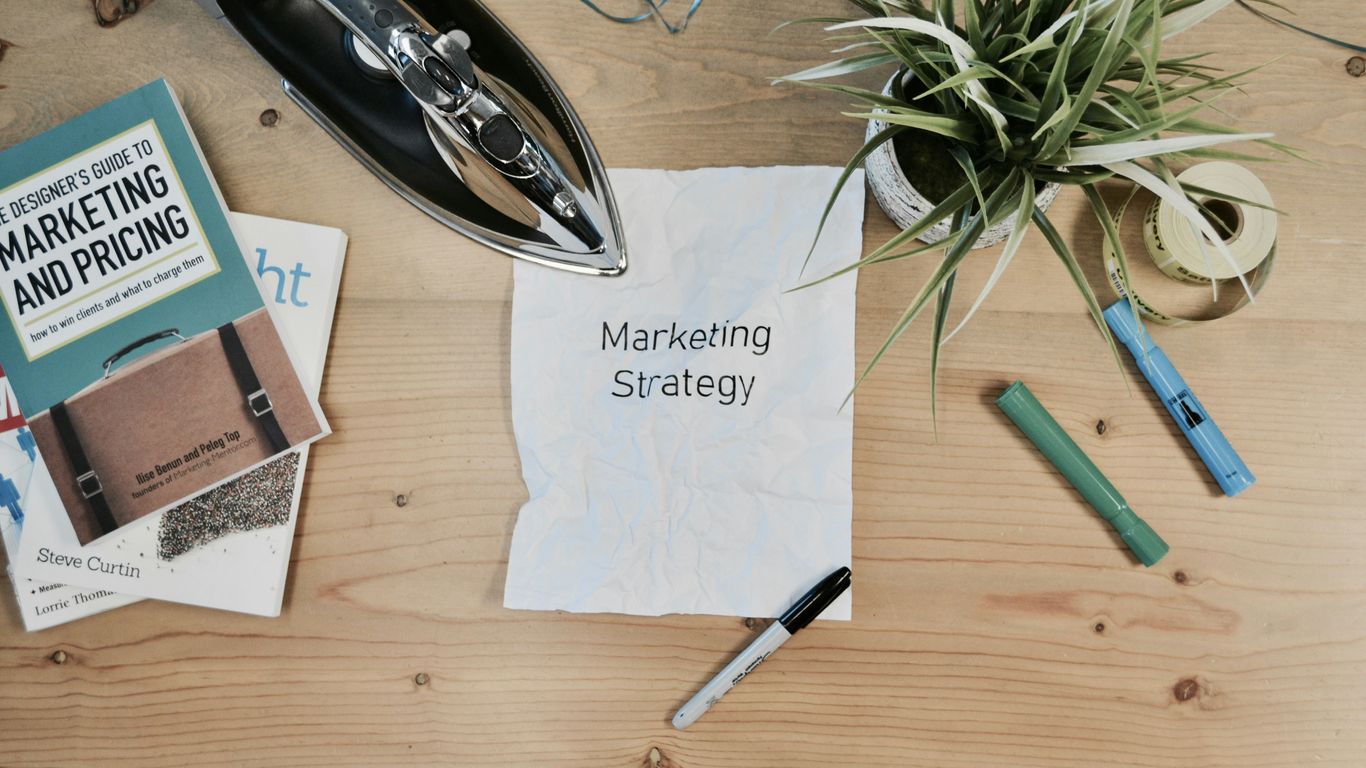
Sticking with haphazard marketing efforts is like trying to build a custom kitchen with a hammer and a prayer – you might get something done, but it’s unlikely to be efficient, profitable, or what the client actually wanted. When you operate without a clear system, you’re essentially throwing resources at the wall and hoping something sticks. This isn't a strategy; it's a gamble, and it's one that consistently erodes your profit margins.
Operating without a defined marketing system means your efforts are reactive, not proactive. You might run a Facebook ad because a competitor did, or send out a flyer because you have a slow week. These scattered actions rarely build on each other. They don't create a cohesive brand message, and they certainly don't build predictable lead flow. Instead, you end up with a collection of disconnected activities that are difficult to track and even harder to optimize. This leads to wasted ad spend and missed opportunities. You're paying for visibility, but not for predictable growth.
To combat this, you need a framework. Think of it like engineering a high-end remodel: every step is planned, every material accounted for, and the end result is a beautiful, functional space. Your marketing should be no different. This means defining your ideal client with precision – not just demographics, but their deepest desires and pain points for a remodel. Then, craft an offer that speaks directly to those needs, emphasizing the transformation you provide, not just the cabinets or countertops. This structured approach helps you build a predictable lead system for high-ticket clients, moving from chasing business to attracting it. It’s about creating an irresistible offer that uses value-based pricing and builds trust through consultative selling.
How do you know if your marketing is actually working? If you're just looking at likes or website visits, you're missing the point. True success is measured in qualified appointments and closed deals. Implementing a CRM and automating lead nurturing are vital here. This ensures consistent follow-up, keeps potential clients engaged, and builds trust over time. By defining clear qualification criteria for appointments, you prevent wasting time with prospects who aren't a good fit. This systematic approach streamlines operations, ensuring that only serious prospects are booked, which directly boosts efficiency and profitability. It’s about transforming attention into sustainable business growth, not just fleeting interest.
You've seen how fragmented marketing can chip away at your remodeling business profits. It's time to shift gears and build a marketing ecosystem that actually works for you. This isn't about throwing more money at random ads; it's about being smart, strategic, and systematic. We're talking about engineered growth, not just hoping for the best.
Forget the scattergun approach. The real win comes from creating content that genuinely speaks to your ideal clients and then getting it in front of them efficiently. Think about what your potential customers really need to know when they're considering a kitchen or bathroom remodel. Are they worried about budget? Timeline? The mess? Your content should address these points directly, offering solutions and building trust. This means investing in professional photography of your completed projects, well-written case studies, and perhaps even short videos showcasing your craftsmanship. Once you have this high-quality material, the next step is distribution. You need to know where your best clients spend their time online and offline, and focus your efforts there. It's better to dominate a few key channels than to be a tiny blip on many.
Customer attention is a finite resource, and it's getting more expensive. Studies show that people often only glance at ads for a few seconds, especially on mobile devices. This means your message needs to be clear, compelling, and immediate. You have about two seconds to make an impression. Instead of generic slogans, focus on a single, powerful benefit or outcome. For instance, instead of saying "We do great kitchens," try "Transform your kitchen into the heart of your home in 6 weeks." This is about understanding the emotional driver behind the remodel. Research suggests that creating a positive emotional connection, even a brief one, significantly increases recall and purchase intent. This is where understanding your audience's pain points becomes critical.
Capturing attention is just the first step. The goal is to turn that fleeting interest into a loyal customer base that drives repeat business and referrals. This requires a systematic approach to customer acquisition and retention. It means building relationships beyond the initial sale. Consider implementing a simple follow-up system to check in with clients post-project, asking for feedback and testimonials. This not only provides valuable social proof but also opens the door for future projects or referrals. Loyalty programs, even informal ones, can reward repeat customers and encourage them to spread the word. By focusing on quality, understanding attention, and building relationships, you create a marketing engine that doesn't just attract leads, but cultivates profitable, long-term growth for your remodeling business. For expert guidance on building such an engine, consider looking into leading marketing agencies that specialize in your industry.
Stop wasting money on marketing that doesn't work! Our team helps you focus your efforts to get the best results. We make sure your advertising dollars are spent wisely, bringing in more customers and boosting your business. Ready to see your profits grow? Visit our website today to learn how we can help you achieve focused marketing success.
Look, it's easy to get lost in the weeds with all the different ways to reach people these days. You've got social media, email, maybe even some flyers. But if you're just throwing things at the wall hoping something sticks, you're probably wasting money and, frankly, annoying potential customers. It's time to stop the scattered approach. Focus on what really works for your remodeling business. Get clear on your message, know who you're talking to, and make sure your efforts actually connect with them. When you do that, you'll see your profits stop disappearing and start growing again. It’s not rocket science, but it does take a bit of smart planning.
Think of it like this: everyone's attention is like a tiny, precious piece of candy. There's so much candy out there now, and people only have so much room for it. Your marketing message might be getting lost because there are too many other messages fighting for that same small piece of attention. It's like trying to shout over a crowd – your voice just doesn't carry as far.
You need to be super clear and quick! Imagine you only have two seconds to make someone interested. Your message needs to be strong and get straight to the point. Instead of talking about all the little details of your service, focus on the big, exciting result you give your customers. Make it easy for them to understand what you do and why it's great, right away.
Not necessarily. Spreading yourself too thin across too many places can mean you're not doing a great job on any of them. It's better to figure out which few places your ideal customers actually hang out and focus your energy there. Trying to be everywhere at once often leads to wasted money and effort without bringing in many new customers.
Sometimes, trying too hard to get attention can backfire. Unskippable ads or constant notifications can make people want to avoid your business altogether. Instead of forcing your message on them, try to create something interesting or helpful that they'll want to engage with. Think about making them feel something positive, rather than just trying to interrupt them.
Look at what your competitors are doing, but don't just copy them. Find what makes your business special. What's your unique story? What do you do better than anyone else? Highlighting your unique qualities and showing your brand's personality helps you grab attention and makes customers remember you.
Stop just talking about yourself and start listening to your customers. What problems are they trying to solve? What are their biggest worries or desires when it comes to remodeling? When you truly understand their needs and show empathy, your marketing will connect with them on a deeper level and feel more helpful.
Marketing shouldn't stop after you make a sale. Think about how you can offer value even after the project is done. Building good relationships means customers are more likely to recommend you and come back for future projects. Loyalty programs or just staying in touch can help build this long-term connection.
If you keep doing things the same way without a clear plan, you'll likely keep wasting money and not getting the results you want. Your business might struggle to attract new customers, and profits could suffer. A smart, focused marketing plan is essential for growing your remodeling business and making sure it stays successful.
Your next phase of growth requires a focused strategy. Instantly quantify your potential return with our Marketing ROI Calculator.
You're paying for traffic, but 80% of leads go cold within 10 minutes. Download our Speed-to-Lead Architecture Kit (Calculators + Scripts) and fix your follow-up system today.
Includes the "Revenue Leak" Calculator & Copy-Paste Scripts.