
December 23, 2025
Master hyper-local marketing strategy in Vancouver with the 'Omnipresence' Protocol. Combine direct mail & geo-fencing to dominate your 10km radius.
Thinking about how to really reach people in Vancouver? It's a big city, and just shouting into the void online doesn't cut it anymore. You need a smarter way to connect, especially if you're focused on a specific area. This article looks at a method called the 'Omnipresence' Protocol. It combines old-school direct mail with modern geo-fencing to help you get noticed within a 10km radius. We'll break down how this works and why it could be a game-changer for your hyper-local marketing strategy in Vancouver.
Vancouver presents a unique landscape for businesses aiming to connect with their local communities. Understanding and implementing a hyper-local marketing strategy is no longer just an option; it's a necessity for building a strong presence and driving customer loyalty. This approach focuses intensely on a specific geographic area, ensuring your message reaches the people most likely to become your customers.
Before you can dominate a local market, you must first clearly define its boundaries. For many businesses, a 10km radius around their physical location or primary service area offers a practical and effective scope. This zone captures a significant portion of potential customers without spreading your resources too thin. Think about where your current best customers live or work. Consider traffic patterns, neighborhood demographics, and the natural flow of people within the city. Establishing this precise zone is the bedrock of your hyper-local efforts.
A 10km radius is often the sweet spot for local marketing. It's close enough for people to consider your business a convenient option, whether for a quick visit, a regular service, or a delivery. It's a distance that people are generally willing to travel for a product or service they trust. For businesses like restaurants, retail shops, or service providers, this proximity translates directly into increased foot traffic and easier access for your clientele. It allows for a more personal connection, making your brand feel more accessible and part of the local fabric.
Vancouver is a city of distinct neighborhoods, each with its own character and consumer habits. From the bustling downtown core to the quieter residential areas, a one-size-fits-all approach won't work. You need to tailor your strategy to the specific dynamics of the areas within your chosen radius. Factors like local events, community hubs, and even the dominant languages spoken can influence how you communicate. Understanding these nuances allows you to craft messages that truly connect with the people in your immediate vicinity. For instance, a business targeting families in Kitsilano might have a different approach than one focused on young professionals in Yaletown. This granular understanding is key to effective hyper-local marketing, much like how Google Local Service Ads allow for precise geographic targeting to connect with high-intent customers.
To truly dominate a specific geographic area, you need a marketing strategy that reaches people both physically and digitally. This is where the 'Omnipresence' Protocol comes into play, combining the tangible impact of direct mail with the precision of geo-fencing. It’s about being seen and remembered, creating a consistent brand presence that feels both personal and pervasive within your target radius.
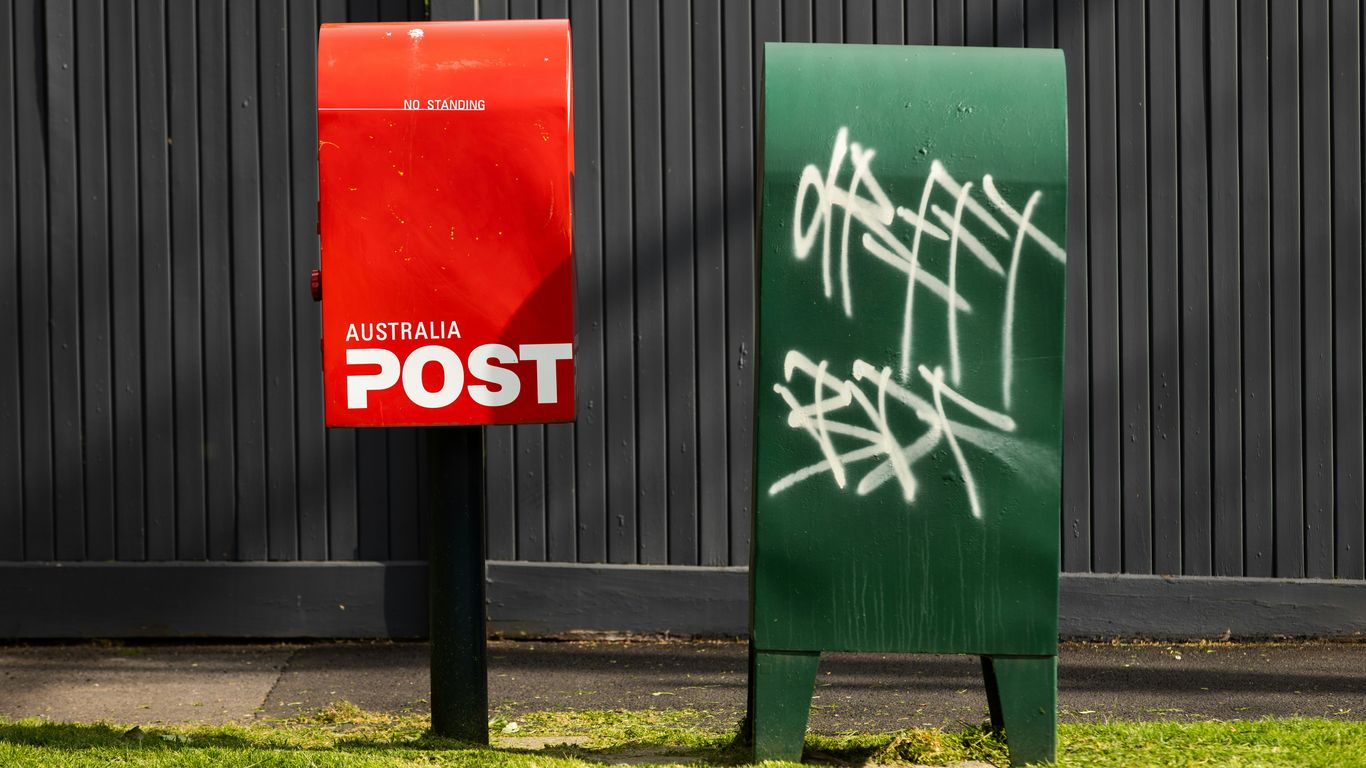
In an age where digital communication often feels fleeting, direct mail offers a physical touchpoint that can cut through the noise. A well-designed postcard or brochure landing in a mailbox has a unique ability to capture attention. It’s a concrete reminder of your brand, something tangible that can be kept, shared, or revisited. This method bypasses crowded inboxes and ad blockers, offering a direct line to potential customers' homes. Think of it as planting a flag in their physical space, making your business a familiar presence.
Geo-fencing takes your marketing efforts into the digital realm with remarkable accuracy. By defining a virtual boundary around your 10km radius, you can target mobile devices within that specific area with digital ads. This means your message is delivered only to people who are physically present in your desired zone, whether they live there, work there, or are just passing through. It’s about reaching the right people at the right time, based on their actual location. This precision helps cut down on wasted ad spend and ensures your message is relevant to the audience you’re trying to connect with. It’s a smart way to amplify your reach and connect with potential customers who are already in your backyard, making it easier to drive local SEO success.
The real power of the 'Omnipresence' Protocol lies in the synergy between these two channels. When direct mail and geo-fencing work together, they create a powerful, multi-layered marketing approach. Imagine someone receiving a direct mail piece about your services. Shortly after, they start seeing your ads pop up on their phone as they move within your geo-fenced area. This repetition across different mediums reinforces your brand message and significantly increases the likelihood of engagement and conversion. It’s about creating a consistent experience that builds recognition and trust, making your business the obvious choice. This integrated approach is key to developing cross-channel marketing strategies that truly work.
This integrated approach ensures that your brand is not just seen, but remembered. By appearing in both the physical mailbox and on digital screens within a defined area, you create a sense of omnipresence that builds familiarity and authority. It’s a sophisticated way to ensure your message cuts through the clutter and connects with your target audience on multiple levels, driving them towards action.
Geo-fencing is your digital lasso, allowing you to pinpoint potential customers within a specific area. Think of it as drawing an invisible boundary around your target 10km radius. Anyone who enters or exits this zone can then be targeted with your digital ads. This isn't just about reaching people nearby; it's about reaching the right people when they are physically close to your business or a relevant location.
To make geo-fencing work effectively, you need to understand the technology behind it. Real-Time Locating Systems (RTLS) are the backbone here. These systems use various signals, often radio frequency, to track the location of devices within a defined space. While RTLS can be used for complex tracking within buildings, for marketing purposes, we're generally looking at how mobile devices within your geo-fenced area can be identified. This allows for immediate ad delivery to individuals who have opted into location services on their devices. It’s a sophisticated way to connect with people who are literally in your backyard.
Creating a successful geo-fenced campaign involves a few key steps:
Tracking the success of your geo-fencing efforts is vital. You'll want to look at metrics such as:
By analyzing these numbers, you can refine your targeting, messaging, and budget to maximize your return on investment. Geo-fencing allows for incredibly granular control over your ad spend, ensuring you're not wasting money on audiences outside your desired zone. This precision is what makes it such a powerful tool for hyper-local marketing, complementing your direct mail efforts by connecting with nearby customers in real-time.
Geo-fencing creates a virtual perimeter, enabling businesses to deliver targeted advertisements to mobile devices within that specific geographic area. This technology is particularly effective for businesses aiming to capture local market share, as it ensures marketing messages are seen by individuals who are physically present and potentially receptive to local offers.
In today's digital-first world, it's easy to forget the power of something tangible. Direct mail, however, offers a unique way to cut through the online noise and make a physical impression. It's about putting something real into the hands of your potential customers, creating a memorable touchpoint that digital ads often can't replicate. Think of it as a handshake in a world of virtual nods.
Creating direct mail that gets noticed and acted upon requires careful thought. It's not just about sending a flyer; it's about crafting an experience. Your mailer should immediately convey value and speak directly to the recipient's needs. Consider what makes a piece stand out in a pile of bills and junk mail. Is it the paper quality? The design? The offer itself? A well-designed piece can significantly boost response rates.
Here are some elements to consider for impactful mailers:
Getting your mail into the right hands is just as important as the mailer itself. For hyper-local marketing, your list needs to be precise. You're not aiming for a broad audience; you're targeting specific households or businesses within your 10km radius. This means looking beyond generic mailing lists and seeking out data that reflects your ideal customer profile. For instance, if you're targeting homeowners for renovations, you'll want a list that identifies properties likely to be interested in such projects, focusing on selling a vision and lifestyle, not just the project itself [1115].
Consider these sources for targeted lists:
Measuring the success of your direct mail campaigns is key to refining your strategy. Without tracking, you're essentially sending mail blind. You need to know which pieces are working and why. This allows you to allocate your budget more effectively and improve future campaigns. It’s about understanding the tangible impact of putting something physical into the mail stream [0567].
Here are common methods for tracking:
The physical nature of direct mail provides a unique opportunity to stand out. When combined with precise targeting and compelling design, it can be a powerful tool for building local brand awareness and driving customer action. It’s about making a connection that feels personal and substantial in an increasingly digital landscape.
To truly master the 'Omnipresence' Protocol, you must move beyond simply collecting data; you need to integrate it intelligently. This is where you transform raw information into actionable strategies that drive results within your 10km radius. Think of it as building a sophisticated dashboard for your local market.
Understanding the geography of your target area is more than just knowing the streets. It's about understanding movement patterns, population density, and local points of interest. By mapping out your 10km radius, you can identify clusters of potential customers and tailor your direct mail and geo-fencing efforts accordingly. For instance, knowing that a particular neighborhood has a high concentration of young families might influence the messaging on your mailers and the geofence boundaries you set around local parks or schools. This spatial awareness helps you place your marketing where it's most likely to be seen and acted upon.
Telemetry, the data collected from devices and sensors, provides real-time feedback on how your campaigns are performing. When you combine this with your direct mail and geo-fencing efforts, you gain a powerful feedback loop. For example, if your geo-fenced ads are reaching people who then visit your store, and your direct mail campaign is driving calls, telemetry can help you connect these dots. This allows for smarter marketing strategies by leveraging digital insights to inform and optimize physical mail outreach. You can see which messages are working, which times of day are most effective for digital ads, and how your physical mail is contributing to online engagement.
While it might sound advanced, satellite imagery offers a unique perspective for hyper-local analysis. Think about monitoring changes in commercial activity within your radius or understanding the development of new residential areas. Companies like Planet Labs, Inc. provide daily imagery that can reveal trends invisible from the ground. This kind of data can inform strategic decisions, such as identifying new business districts to target or areas experiencing rapid growth. This integrated data approach is what separates a good campaign from a dominant one.
The true power lies not just in gathering data from different sources, but in weaving them together. Imagine correlating foot traffic data from your geo-fencing with the delivery times of your direct mail. This allows you to refine your timing and targeting with remarkable precision, making every marketing dollar work harder.
Here’s a look at how different data types can be integrated:
By integrating your marketing funnel with a robust system, you gain insights into customer behavior, allowing for personalized communication and automated follow-ups. This synergy transforms raw data into actionable intelligence, ensuring every lead is nurtured effectively for maximum conversion.
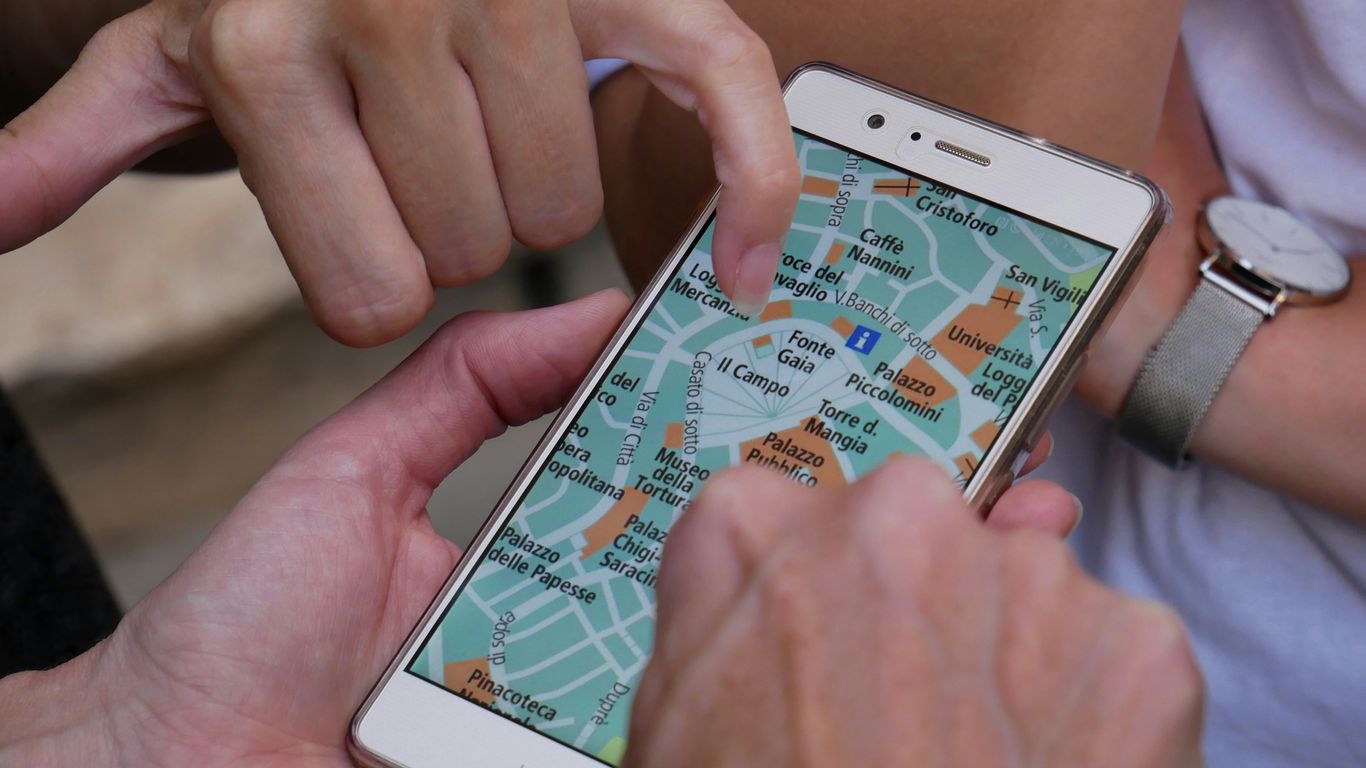
Before you can dominate a 10km radius around your Vancouver business, you need to know exactly where that is. This isn't just about drawing a circle on a map; it's about understanding the physical and digital landscape within that zone. Start by pinpointing your business's exact location. From there, use mapping tools to visualize the 10km circumference. Think about the neighborhoods, major roads, and landmarks that fall within this area. This initial mapping is your foundation for all subsequent actions.
Consider the demographics and psychographics of the people living and working within this radius. Are they families, young professionals, retirees? What are their interests and needs? This information will shape your messaging and the offers you present. You can gather this data through existing customer profiles, local census data, or even by observing the community. The goal is to create a detailed profile of your target area.
With your 10km radius clearly defined, it's time to put the 'Omnipresence' Protocol into action. This phase involves the coordinated launch of both direct mail and geo-fenced digital advertising. For direct mail, you'll want to acquire targeted lists that cover your defined zone. Services can help with acquiring local lists if you don't have one. Design your mailers to be eye-catching and include a clear call to action. Remember, this is a tangible piece of your brand landing directly in potential customers' hands.
Simultaneously, set up your geo-fenced digital campaigns. Define the precise boundaries of your 10km radius within your chosen advertising platforms. This ensures your digital ads are shown only to individuals physically located within that area. Craft ad copy and visuals that complement your direct mail messaging, creating a consistent brand experience. The synergy between the physical mailer and the digital ads seen on their phones or computers within the same geographic space is what builds that feeling of omnipresence.
Launching is just the beginning. True dominance comes from continuous analysis and refinement. Track the performance of both your direct mail and geo-fencing efforts. For direct mail, this might involve unique promo codes or dedicated landing pages. For geo-fencing, monitor impressions, click-through rates, and conversions. Compare the data from both channels to understand what's working best and where.
The key to sustained success is adaptation. Consumer behavior and market dynamics are always shifting. Regularly review your campaign performance metrics. Are you seeing a higher response rate from certain neighborhoods within your radius? Is your digital ad creative resonating more effectively than others? Use these insights to tweak your targeting, adjust your messaging, and optimize your ad spend. This iterative process will help you refine your strategy and solidify your position as the go-to provider within your 10km zone. You might even explore local hashtag strategies on social media to further amplify your presence.
Once you've established your presence with direct mail and geo-fencing, the next step is to solidify your position. You want to become the go-to name for whatever service or product you offer within that 10km zone. This isn't just about being seen; it's about being recognized and trusted.
Your message needs to be the same everywhere. Whether someone receives a postcard in their mailbox or sees a digital ad while browsing online, the core message, the tone, and the visual identity should align perfectly. This consistency builds familiarity and reinforces your brand identity. Think about it: if your direct mail piece highlights a special offer on lawn care, and a geo-fenced ad pops up promoting the exact same offer, that's a powerful one-two punch. It shows you're organized and serious about serving the local community. This repetition across different touchpoints helps cement your brand in the minds of potential customers. It's like hearing your favorite song on the radio and then seeing it advertised on TV – it just sticks with you.
To truly own your 10km radius, you need to prove you're a part of the community, not just a business operating within it. This means showing you understand local needs and are invested in local well-being. Consider sponsoring a local youth sports team or participating in community events. When people see your brand actively involved, it builds a different kind of trust than just seeing an ad. It shows you care about more than just making a sale. You can also highlight local testimonials or case studies on your website and social media. Showing that you've successfully helped neighbors builds a strong sense of local credibility. For example, if you're a plumber, featuring a story about fixing a burst pipe for a family on Elm Street, complete with their (permissioned) photo, speaks volumes. This kind of local connection is hard for larger, more distant competitors to replicate. Building a strong brand community involves several key strategies. Regularly send out email newsletters to keep your audience engaged. Focus on establishing and reinforcing your brand's authority within your industry. Engage in face-to-face networking to build personal connections. Consider hosting live events to create memorable experiences and foster a sense of belonging among your customers. building a strong brand community
Authority comes from being the first and best choice. When someone in your 10km radius needs what you offer, your brand should be the one that immediately comes to mind. This is achieved through the consistent application of the 'Omnipresence' Protocol. Keep your direct mail relevant and valuable, and refine your geo-fencing to reach the right people at the right time. Don't underestimate the power of excellent customer service; word-of-mouth is still king, especially in a concentrated area. Happy customers become your best advertisers. Think about how you can consistently provide exceptional service and follow-up. This might involve personalized thank-you notes after a service or special loyalty programs for repeat customers within the radius. The goal is to create an experience so positive that people feel compelled to recommend you. This also means staying current with local trends and consumer needs. For instance, if voice search is becoming more popular for local service queries, optimizing your online presence for that is key. optimizing your Google Business Profile
Here’s a quick look at how to measure your progress:
The marketing landscape is always shifting, and staying ahead means looking at what's next. For hyper-local strategies, this means embracing new technologies and adapting how you connect with people right in your backyard. You've built a strong presence within your 10km radius using direct mail and geo-fencing, but the journey doesn't stop there. It's about continuous improvement and staying relevant.
Think about how quickly things change. What seems cutting-edge today might be standard tomorrow. For location-based marketing, this means keeping an eye on advancements that can refine your targeting and engagement even further. We're talking about technologies that offer even more granular control and richer data. For instance, advancements in Real-Time Locating Systems (RTLS) are moving beyond just basic proximity. These systems can provide more detailed insights into movement patterns and dwell times within specific areas, allowing for incredibly precise ad delivery. Imagine being able to target someone not just because they are near your business, but because they have repeatedly visited a competitor's location or spent a significant amount of time in a particular zone relevant to your service. This level of detail can transform how you approach geo-fence marketing.
People's expectations are also changing. They want more personalized experiences, and they expect brands to understand their immediate needs. This means your messaging needs to be not just relevant to their location, but also timely and genuinely helpful. If a local event is happening, can your marketing react to it? If there's a sudden surge in interest for a particular product in your area, can you be the first to offer it? This requires agility. It's about moving beyond static campaigns and building systems that can respond dynamically to consumer actions and local events. The goal is to become an integrated part of the local community's daily life, not just an advertiser.
Maintaining your top spot in a 10km radius isn't a one-time effort; it's an ongoing commitment. It requires a constant feedback loop. You need to be analyzing campaign performance, yes, but also listening to local feedback and observing market shifts. Are new businesses opening up? Are there changes in local traffic patterns? Are your competitors changing their tactics? Staying dominant means being the most informed and the most responsive. This might involve refining your addressable geo-fencing strategies based on new data or experimenting with new direct mail formats that better capture attention. It's a cycle of testing, learning, and adapting to ensure you remain the go-to provider for everyone within your target zone. The future belongs to those who are willing to evolve.
Connecting with people right in their own neighborhoods is becoming super important. It's like talking to your neighbors instead of shouting across town. This way, businesses can really understand what local folks need and offer them exactly that. Want to learn how to do this for your business? Visit our website to find out more!
So, you've seen how combining direct mail with geo-fencing can really make your message stick within that 10km radius. It’s not just about sending out flyers anymore; it’s about being there, in person and digitally, when it matters most. You're not just reaching people; you're creating a consistent presence they can't ignore. Think about it – a physical reminder arriving at their doorstep, followed by digital nudges as they move through their day. This isn't some far-off future tech; it's a practical, powerful way to connect with your audience right where they live, work, and play. By integrating these two methods, you’re building a marketing strategy that’s both broad and deeply personal, ensuring your brand stays top-of-mind. It’s time to move beyond single-channel thinking and embrace this layered approach to truly own your local market.
The 'Omnipresence' Protocol is a marketing plan that uses two main tools: direct mail and geo-fencing. The goal is to reach everyone within a specific area, like a 10km radius around your business, making your brand seem like it's everywhere they look.
Even though we live in a digital age, getting something physical, like a postcard or flyer, in your mailbox can really grab your attention. It's a way to stand out from all the online ads and reach people who might not see your digital messages.
Geo-fencing is like drawing an invisible fence around a specific area on a map using technology. When someone's phone enters that area, you can send them targeted ads or messages on their apps. It’s a smart way to reach people who are physically close to your business.
It means using both methods together to make your marketing stronger. You might send a postcard to homes in an area and then use geo-fencing to show ads to people who are in that same area when they're using their phones. This way, you reach them in two different ways, making them more likely to remember you.
You'd look at where your best customers live or work, or where you want to find new customers. It's about picking a spot that makes sense for your business, like a neighborhood or a part of the city where you want to be the most well-known.
You can track how many people respond to your direct mail by using special codes or phone numbers. For geo-fencing, you can see how many people saw your ads and clicked on them. By looking at both, you can figure out what's bringing in customers.
This plan is great for businesses that rely on local customers, like restaurants, local shops, service providers (like plumbers or electricians), or even real estate agents who want to focus on specific neighborhoods.
It takes some planning, but it's not overly complicated. You'll need to get a list of addresses for your direct mail and set up your geo-fencing zones using marketing tools. The key is to be organized and consistent with your message.
Your next phase of growth requires a focused strategy. Instantly quantify your potential return with our Marketing ROI Calculator.
You're paying for traffic, but 80% of leads go cold within 10 minutes. Download our Speed-to-Lead Architecture Kit (Calculators + Scripts) and fix your follow-up system today.
Includes the "Revenue Leak" Calculator & Copy-Paste Scripts.