

December 20, 2025
Master patient acquisition strategies for cosmetic clinics in Vancouver. Drive growth with expert insights on digital marketing, lead generation, and patient retention.
Finding new patients for your cosmetic clinic in Vancouver can feel like a real challenge. With so many clinics out there, you need smart ways to reach the right people. This guide is all about patient acquisition strategies for cosmetic clinics Vancouver, helping you get more clients without breaking the bank. We'll look at how to use ads, what kind of freebies work best, and why building your own list is so important. Plus, we'll cover how to keep clients happy and coming back.
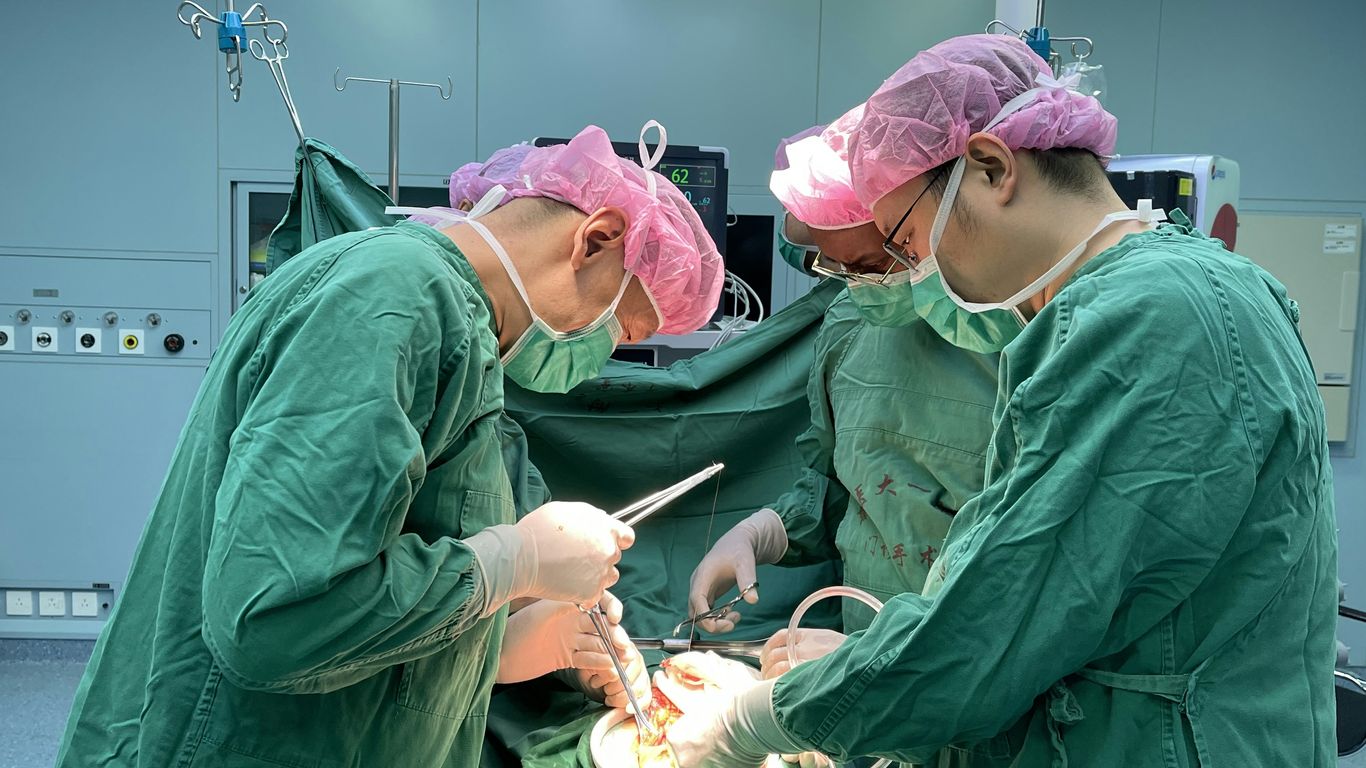
Vancouver's cosmetic clinic scene is bustling, and standing out requires more than just offering great services. You need a solid plan to bring in new patients consistently. This isn't about luck; it's about smart, targeted efforts. We'll explore how to attract the right people to your clinic and keep them coming back.
The aesthetic market in Vancouver is vibrant and growing, but that also means it's crowded. Many clinics offer similar services, making it tough to capture attention. You need to know who your competitors are, what they're doing well, and where there are gaps you can fill. Understanding the local landscape helps you position your clinic effectively.
Simply put, without a steady flow of new patients, your clinic won't grow. Patient acquisition isn't just a marketing task; it's the lifeblood of your practice. A well-defined strategy ensures you're not just getting any patients, but the right patients – those who are a good fit for your services and are likely to become loyal clients. This means thinking beyond just advertising and considering the entire patient journey.
Today, most potential patients start their search online. This is where you need to be visible. Think about search engines, social media, and local directories. A strong online presence is non-negotiable for attracting new clients. This includes having a professional website and being active on platforms where your ideal patients spend their time. For example, web design services for dental clinics can significantly boost a clinic's online visibility.
When people are considering cosmetic procedures, trust is paramount. They want to feel confident in your clinic's abilities and the safety of the treatments. This means showcasing your qualifications, sharing patient testimonials, and being transparent about procedures and outcomes. Positive reviews and a strong reputation are key.
Guesswork won't cut it. You need to track what's working and what's not. By looking at data from your website, ad campaigns, and patient inquiries, you can see which strategies are bringing in the most valuable patients. This allows you to adjust your spending and focus on the most effective methods. Data-driven strategies can make a real difference.
Your marketing shouldn't live in just one place. Combine your digital efforts with offline strategies. This could include local events, community outreach, or partnerships with other businesses. A multi-channel approach ensures you reach a wider audience and reinforce your message.
Patient acquisition is an ongoing process. Regularly review your results. Are you meeting your goals? What can be improved? By continuously measuring your success and making small adjustments, you can refine your strategies over time and achieve sustainable growth for your clinic.
As technology evolves and patient expectations change, so too will acquisition strategies. Staying informed about new trends, like personalized marketing and virtual consultations, will be important. Adaptability is key to long-term success in this dynamic field.
In today's competitive cosmetic clinic landscape, simply having a great service isn't enough. You need to actively reach the people looking for what you offer. Paid advertising provides a direct line to potential patients who are already searching for treatments and solutions you provide. It's about putting your clinic in front of the right eyes at the right moment.
When someone types "Botox Vancouver" or "laser hair removal clinic" into Google, they're usually ready to book. This is where Google Ads shine. By bidding on these specific keywords, you can place your clinic's ad right at the top of the search results. This means you're reaching people with immediate intent, making them more likely to convert into actual patients. It's a smart way to capture demand that's already there. You can also use these ads to protect your brand name from competitors who might try to appear for searches of your clinic's name. This ensures that when someone searches for you, they find you first.
While Google often gets the spotlight, don't overlook Bing. It might have a smaller market share, but the cost per click is often lower, making it a more budget-friendly option for generating leads. Even a small investment here can bring in additional, qualified traffic. Securing your brand name searches on Bing is also a good defensive move to protect your reputation. Think of it as an extra layer of visibility that can bring in patients without breaking the bank.
Social media platforms like Facebook and Instagram offer incredible tools for targeting specific demographics. You can pinpoint potential patients based on age, location, interests, and even behaviors. This allows you to show ads for services like Emsculpt or body contouring to people who are most likely to be interested. Crafting compelling visuals and clear calls to action is key to capturing attention in busy social feeds. For example, if you're promoting a new summer special, you can target users who have shown interest in fitness or beauty trends. This precision ensures your advertising budget is spent reaching the most relevant audience, increasing the chances of conversion. You can learn more about how to effectively target clients on platforms like Facebook here.
Not everyone who visits your website or sees your ad will book an appointment immediately. Retargeting allows you to show ads to people who have previously interacted with your clinic online. If someone visited your page about CoolSculpting but didn't book, you can show them ads for that service again as they browse other websites or social media. This consistent presence keeps your clinic top-of-mind and encourages them to return and complete their booking. It's a powerful way to bring back interested individuals who may have been distracted or needed more time to consider.
Your ad is often the first impression a potential patient has of your clinic. It needs to be clear, concise, and persuasive. Use high-quality images or videos that showcase the results you achieve. Your ad copy should highlight the benefits of your treatments and address common patient concerns. A strong call to action, such as "Book Your Free Consultation" or "Learn More About Our Services," guides the user on what to do next. Remember, the goal is to make your ad stand out and encourage a click.
Deciding how much to spend on paid advertising is important. Start with a budget that you're comfortable with and track your results closely. You'll want to monitor metrics like click-through rates (CTR), conversion rates, and cost per acquisition (CPA). This data will tell you which ads and platforms are performing best. Based on this information, you can adjust your budget, allocating more funds to the strategies that are yielding the best return. It's an ongoing process of testing and refinement.
Competitors can sometimes bid on your clinic's name or your practitioners' names in search ads. This can divert potential patients who are specifically looking for you to their own websites. To prevent this, you should implement defensive ad placements. This means running your own Google Ads campaigns that target searches for your brand name and your practitioners' names. This ensures that when someone searches for your clinic, your own ad appears prominently, guiding them directly to your practice. It's a crucial step in maintaining control over your online presence and patient acquisition.
Paid advertising isn't a set-it-and-forget-it strategy. Regular analysis of your ad performance is vital for ongoing success. Look at which keywords are driving the most valuable leads, which ad creatives are getting the most engagement, and which demographics are converting best. Use this data to make informed decisions about optimizing your campaigns. This might involve tweaking ad copy, adjusting bids, refining targeting parameters, or even pausing underperforming ads. Continuous analysis and adaptation are what turn good ad campaigns into great ones, helping to grow your practice effectively. Agencies like MINA Medical Marketing specialize in this kind of detailed analysis for clinics.
Attracting new patients to your cosmetic clinic in Vancouver requires more than just offering great services; it demands a strategic approach to capture interest and build relationships. This is where lead magnets come into play. Think of them as valuable freebies you offer in exchange for contact information, acting as the first step in converting a curious visitor into a potential patient.
Before you can create something compelling, you need to know who you're talking to. What are their biggest concerns? What treatments are they researching? What information do they lack that, if provided, would make them feel more confident about taking the next step? Understanding these points is key to developing a lead magnet that actually gets downloaded.
These are classic for a reason. A well-crafted guide can position your clinic as an authority. For example, a report titled "The Ultimate Guide to Non-Surgical Facial Rejuvenation in Vancouver" could detail different treatment options, expected results, and recovery times. This type of content directly addresses patient questions and builds trust. It's a solid way to start building your patient contact list.
People love interactive content. A quiz like "What's Your Ideal Skincare Routine?" or "Are You a Candidate for Botox?" can be fun and informative. It not only captures leads but also provides you with valuable data about the prospect's interests and needs, allowing for more personalized follow-up.
For a deeper dive, consider hosting live or pre-recorded webinars. Topics could include "Understanding the Latest in Body Contouring Technologies" or "Preparing for Your First Cosmetic Procedure." These events allow for real-time Q&A, further building rapport and demonstrating your clinic's knowledge.
Whatever lead magnet you choose, it must clearly articulate the benefits of your services while also proactively addressing common concerns or fears. Transparency builds confidence. If a patient is considering a procedure, they want to know what to expect, including potential risks and the recovery process.
Simply creating a lead magnet isn't enough; you need to make it visible. Prominently display opt-in forms on your website, especially on relevant service pages. Use social media posts and ads to promote your lead magnets, directing traffic back to landing pages where visitors can download them.
Once you have a lead's contact information, the work isn't done. Implement an automated email or SMS sequence to follow up. Provide additional helpful content, share patient testimonials, and gently guide them towards booking a consultation. This consistent communication keeps your clinic top-of-mind.
Track how many leads each magnet generates, how many convert into consultations, and ultimately, how many become paying patients. Analyze which lead magnets are performing best and allocate your resources accordingly. This data-driven approach ensures your efforts are focused on what truly drives results for your Vancouver cosmetic clinic.
In the fast-paced world of cosmetic clinics, relying solely on social media or search engine visibility can be risky. Owning your audience through a dedicated contact list provides a stable foundation for consistent patient acquisition and retention. This list becomes your most valuable asset, a direct line to individuals already interested in your services.
Think of your contact list as your private community. Unlike social media platforms, which can change algorithms or even disappear, your list is yours. This means you control the communication, the timing, and the message. It's a direct channel to people who have shown interest, making your outreach far more effective than casting a wide net.
Once you've captured a prospect's interest, perhaps through a lead magnet, setting up automated follow-up sequences is key. These funnels guide potential patients through the decision-making process without constant manual intervention. They ensure that no lead falls through the cracks and that your clinic stays top-of-mind.
When collecting contact details, transparency is paramount. Always be clear about why you need the information and how you will use it. Offering a valuable lead magnet in exchange for an email address or phone number is a standard and ethical practice. This builds trust from the very first interaction.
Not all prospects are the same. Segmenting your contact list based on interests, demographics, or past interactions allows for highly personalized communication. Sending targeted messages that speak directly to a segment's needs significantly increases engagement and conversion rates. For example, you might segment based on interest in injectables versus surgical procedures.
Automated sequences are powerful tools for nurturing leads. A welcome series can introduce your clinic and its philosophy, while follow-up emails can share patient testimonials, before-and-after photos, or details about specific treatments. SMS messages can be used for timely reminders or special offers. This consistent, relevant communication keeps your clinic at the forefront of their minds.
Social media platforms are fantastic for reach, but they are not entirely reliable. Algorithm changes can drastically reduce visibility, and account issues can lead to lost access. Having your own contact list mitigates this risk, ensuring you can always reach your audience regardless of external platform changes. This is a critical step for long-term practice stability.
Your contact list is a pipeline. By consistently providing value and relevant information, you build trust and position your clinic as the go-to choice. When a prospect is ready for treatment, they will already feel a connection to your brand, making the conversion process smoother and more natural. This approach is far more effective than cold outreach.
Don't forget your existing patients! Your contact list should include current and past clients. Regular communication with them can encourage repeat business, introduce them to new services, and prompt them to refer friends and family. Nurturing these relationships is key to sustainable growth and a strong local reputation.
Building and actively managing your patient contact list is not just a marketing tactic; it's a strategic imperative for any cosmetic clinic aiming for sustained success and independence from the whims of third-party platforms. It allows for direct, personalized communication that builds lasting relationships and drives predictable revenue.
Attracting new patients is important, but keeping the ones you have is where real growth happens. Focusing on the patients who already know and trust your clinic can make your practice easier, cheaper, and faster to grow. By giving them great service, clear information about treatments, and personal care, you can really increase how much each patient is worth over time. Remarketing to your current patients helps build a strong base for steady, reliable business growth.
Think about it: these patients have already chosen you. They know your staff, they've experienced your services, and they've seen the results. This existing trust is a goldmine. Remarketing campaigns allow you to stay top-of-mind without starting from scratch. This could involve sending targeted emails about new treatments, special offers for returning patients, or even just a friendly check-in after a procedure. It's about continuing the conversation and showing them you're still the best choice for their aesthetic needs.
Exceptional service isn't just about being polite; it's about creating an experience. From the moment a patient books an appointment to their follow-up care, every interaction counts. This means having a well-trained staff who can answer questions with confidence, a clean and welcoming clinic environment, and a genuine interest in the patient's well-being. When patients feel truly cared for, they are far more likely to return and recommend your clinic to others. This is how you build loyalty.
Patients appreciate clarity. Before, during, and after a treatment, providing detailed information helps manage expectations and reduces anxiety. This could include explaining the procedure step-by-step, outlining potential side effects, and giving clear aftercare instructions. Personalization takes this a step further. Understanding a patient's specific goals and tailoring your advice and treatment plan accordingly shows you see them as an individual, not just another appointment on the schedule. This level of attention builds a strong connection.
Increasing a patient's lifetime value (LTV) means getting more from each patient over the course of their relationship with your clinic. This isn't about pressuring patients into unnecessary procedures. Instead, it's about identifying opportunities that genuinely benefit them.
Here are a few ways to boost LTV:
When you prioritize nurturing existing patients, you're not just chasing new business; you're building a stable practice. Happy, loyal patients become your best advocates. They leave positive reviews, refer friends and family, and are more receptive to new services. This creates a virtuous cycle where trust and satisfaction drive consistent revenue. It’s a more sustainable and less volatile way to grow compared to constantly needing to acquire brand new clients. This approach helps build a solid foundation for long-term success.
Upselling and cross-selling, when done ethically, can significantly boost patient lifetime value. Upselling involves encouraging a patient to purchase a more premium version of a service or product they are already considering. Cross-selling means suggesting related services or products that would complement their initial choice. For example, if a patient is interested in a specific facial treatment, you might upsell them to a more advanced version with added benefits or cross-sell a recommended at-home skincare product to maintain their results. The key is to always frame these suggestions around the patient's needs and desired outcomes. You can find great personal care products that align with these needs. Find suitable products.
Positive reviews and testimonials are powerful social proof. They build credibility and influence potential new patients. Make it easy for satisfied patients to share their experiences. This could involve sending a follow-up email with a direct link to your review platforms (like Google or Yelp) or asking them in person if they'd be willing to share their thoughts. Feature glowing testimonials prominently on your website and social media. This authentic feedback is invaluable for attracting new clients and reinforcing the trust of existing ones.
Every touchpoint matters in the patient journey. From the initial website visit and phone inquiry to the consultation, treatment, and post-care follow-up, the experience should be smooth and positive. A disjointed or frustrating experience, even in one area, can deter a patient from returning or referring others. By focusing on consistency, clear communication, and attentive service at every stage, you create a patient experience that encourages loyalty and repeat business. This holistic approach is what distinguishes a good clinic from a great one, and it's a core part of how practices like those specializing in OB/GYN marketing aim to connect with patients for long-term relationships.
Public relations, often called PR, is about building and keeping a good name for your cosmetic clinic in the eyes of the public. While a slick website is a good start, you also need to get your clinic's name out there, both online and off, to reach more people. It’s about making sure the right people hear about what you do.
Think of PR as the art of shaping how people see your clinic. It’s not just about advertising; it’s about earning trust and credibility through third-party validation. For cosmetic clinics, this means getting positive mentions in local news, lifestyle magazines, or even popular blogs. This kind of exposure can be far more impactful than paid ads because it comes with an implied endorsement from a trusted source. It helps position your clinic as a leader in the field, not just another business selling services.
Your clinic's reputation is one of its most valuable assets. PR efforts aim to cultivate a positive image by highlighting your clinic's successes, ethical practices, and community involvement. This can involve sharing patient success stories (with permission, of course), announcing new treatments or technologies, or participating in local health awareness events. A strong reputation attracts new patients and encourages loyalty from existing ones. Building this positive perception takes time and consistent effort, but the payoff in terms of patient trust and acquisition is significant.
PR involves strategically using various media channels to get your clinic's message out. This could include:
By working with the media, you can reach a much wider audience than you might through your own marketing efforts alone. It’s about getting your clinic in front of people who might not be actively searching for cosmetic services but would be interested if they heard about your reputable practice. This is where a good PR strategy can really make a difference in getting more local clients.
When a reputable news outlet or a well-known blogger talks positively about your clinic, it lends a huge amount of credibility. Patients often trust media coverage more than direct advertising. This third-party endorsement acts as a powerful signal that your clinic is legitimate, skilled, and trustworthy. It’s like getting a glowing review from a trusted friend, but on a much larger scale. This boost in credibility can directly influence a potential patient's decision to choose your clinic over a competitor.
While you can attempt PR on your own, working with specialists can make a world of difference. PR professionals understand how to craft compelling messages that media outlets will find newsworthy. They know which journalists to contact, how to pitch a story effectively, and how to manage your clinic's public image. They can help you define your unique selling points and communicate them in a way that resonates with the public and the media. This strategic approach ensures your PR efforts are focused and yield the best possible results.
Getting involved in your local community is a fantastic way to build goodwill and attract new patients. This could involve sponsoring local events, offering free consultations at health fairs, or partnering with local charities. When your clinic is seen as a positive contributor to the community, people are more likely to trust and choose your services. Community outreach humanizes your brand and makes it more approachable. It’s about being a good neighbor and showing that your clinic cares about more than just business.
Did your clinic just acquire a cutting-edge new laser? Are you hosting a special event or workshop? PR is the perfect tool to get the word out. Announcing new technologies, celebrating milestones, or hosting educational events can generate media interest and attract attention. These events not only provide content for PR efforts but also offer opportunities for potential patients to engage with your clinic directly. Highlighting achievements and events positions your clinic as dynamic and forward-thinking.
Building connections with other healthcare professionals in Vancouver can be mutually beneficial. Establishing referral relationships with general practitioners, dermatologists, or other specialists can lead to a steady stream of new patients. PR can play a role here by positioning your clinic as a trusted partner within the broader healthcare community. Think about co-hosting educational events or sharing insights on specific procedures. This collaboration can solidify your clinic's standing and expand your network.
Social media is more than just a place to share updates; it's a dynamic space where you can connect with potential patients, build relationships, and ultimately, attract new business to your cosmetic clinic. When done right, your social media presence can become a powerful engine for growth.
Think about what your ideal patient wants to see. Are they looking for inspiration, education, or a behind-the-scenes look at your clinic? Your content should aim to provide value and spark interest. This could include:
The goal is to create content that people want to share and talk about. This organic reach is invaluable.
It's not enough to just post content; you need to see how it's performing. Pay attention to likes, comments, shares, and saves. These metrics tell you what's working and what's not. Are certain types of posts getting more engagement? Are your followers asking specific questions? This feedback loop is critical for refining your strategy. You might find that short video clips perform better than static images, or that posts about a particular treatment generate a lot of inquiries. This kind of insight is gold for patient acquisition.
Based on your monitoring, you'll start to see patterns. Perhaps your audience is highly interested in non-surgical rejuvenation techniques, or maybe they respond best to Q&A sessions. Identifying these successful themes allows you to double down on what's effective. Similarly, experiment with different formats – Instagram Reels, Stories, carousels, or even live sessions. What works best for your audience? For instance, a series of short, informative videos explaining the recovery process for a popular procedure could be highly engaging.
Organic reach is great, but paid social media advertising allows you to reach a much wider and more specific audience. Platforms like Facebook and Instagram offer sophisticated targeting options. You can target users based on demographics, interests, behaviors, and even their online activity. This means you can put your message directly in front of people who are most likely to be interested in your services. This is where you can really make your marketing budget work harder.
Once your ads are running, don't just set them and forget them. Continuously monitor their performance. Are you getting clicks? Are those clicks turning into inquiries or bookings? If not, you may need to adjust your targeting. Perhaps you're reaching the wrong age group, or your ad copy isn't compelling enough. Small tweaks to your audience or your message can make a big difference. This iterative process is key to maximizing your return on ad spend.
Consistency is key. Regularly posting high-quality content and engaging with your audience helps to build a strong, recognizable presence. The more active and engaged you are, the more visible you become. This consistent effort can lead to a significant increase in your clinic's visibility and attract more potential patients. Think of it as building a community around your brand.
People trust recommendations from other people more than they trust advertisements. Encourage your happy patients to share their experiences on social media. User-generated content, like photos or videos of them enjoying their results, acts as powerful social proof. This authentic content builds credibility and can be a major driver for new patient attraction. It's a way to show, not just tell, the positive impact of your services.
Your social media strategy shouldn't exist in a vacuum. It should work hand-in-hand with your other marketing activities. For example, promote your latest blog post on social media, or use social media to drive traffic to a landing page for a special offer. Cross-promotion ensures a cohesive brand message and amplifies your overall marketing impact. This integrated approach is something that Northshore Digital often helps practices with.
Social media engagement is about building genuine connections. It's a marathon, not a sprint. Focus on providing value, being authentic, and consistently interacting with your audience. This approach will naturally lead to increased patient attraction and a stronger brand presence in Vancouver.
Your clinic's website is often the very first point of contact a potential patient has with your practice. It's more than just an online brochure; it's a dynamic tool that can either draw people in or push them away. Making sure your website works well and is easy for people to use is incredibly important for getting new patients.
Think about your website as your digital front door. It needs to look good, feel welcoming, and be easy to navigate. A clean, modern design that reflects the quality of your services can make a big difference. If your site looks outdated or is hard to figure out, people might assume your clinic operates the same way. A professional design builds immediate trust. This means clear layouts, high-quality images, and easy-to-find information about your treatments and your team. Consider working with specialists who understand the aesthetic market, like those at Studio 3 Marketing, to create a site that truly represents your brand.
Most people today use their phones to look up information, including searching for cosmetic clinics. Your website absolutely must look and work perfectly on smartphones and tablets. If it's clunky or hard to read on a smaller screen, you're losing potential patients. This is often called mobile-first design, and it's not just a nice-to-have anymore; it's a must-have. A site that adapts to any screen size provides a better experience for everyone.
People find websites through search engines like Google. To make sure potential patients can find you when they search for services you offer in Vancouver, your website content needs to be optimized for search engines. This involves using the right keywords that people are actually searching for, creating informative content that answers their questions, and making sure your site is technically sound so search engines can easily read it. Technical SEO is a big part of this, covering things like site structure and speed, which are vital for improving search engine visibility.
Once someone is on your website, you need to guide them on what to do next. This is where calls-to-action (CTAs) come in. CTAs are buttons or links that tell visitors what you want them to do, such as "Book a Consultation," "Download Our Guide," or "Contact Us." These should be prominent, clear, and strategically placed throughout your site. Without clear CTAs, visitors might leave without taking the desired action, which is a missed opportunity.
Making it easy for people to book appointments or send inquiries is key. If your online booking system is complicated or your contact form is too long, people might give up. A simple, intuitive process reduces friction and increases the likelihood of a conversion. This could involve a straightforward booking widget or a short, easy-to-fill-out inquiry form. The goal is to remove any barriers that might prevent a potential patient from reaching out.
Slow websites are frustrating. If your pages take too long to load, visitors will click away, often before they even see what you offer. Website speed is also a factor in search engine rankings. Optimizing images, using efficient code, and choosing good hosting can significantly improve your site's performance. You want your website to load quickly and smoothly, providing a positive experience from the moment someone clicks on your link.
How do you know if your website is actually working? You need to track its performance. Website analytics tools can show you how many people are visiting your site, where they're coming from, which pages they're looking at, and how long they're staying. This data is gold. It helps you understand what's working and what's not, allowing you to make informed decisions about how to improve your site and your marketing efforts. Agencies like Gandhi Technoweb can help interpret this data.
The ultimate goal is to turn website visitors into actual patients. This means the journey from their first click to their first consultation should be as smooth as possible. Every step, from finding your site to booking an appointment, should feel connected and effortless. A well-optimized website experience sets the stage for a positive patient journey, making them more likely to choose your clinic for their aesthetic needs.
You're likely aware that the cosmetic clinic landscape in Vancouver is competitive. To truly stand out and grow your practice, you need to move beyond guesswork and embrace a data-driven approach to patient acquisition. This means making informed decisions based on actual performance metrics, not just intuition. It’s about understanding what’s working, what’s not, and where to best allocate your resources.
To make smart choices, you first need to know what to measure. Key Performance Indicators (KPIs) are the vital signs of your marketing efforts. They tell you if your campaigns are healthy and moving in the right direction. Without tracking these, you're essentially flying blind.
Here are some essential KPIs to focus on:
Your website is often the first point of contact for potential patients. Analyzing its performance is non-negotiable. You need to see where your visitors are coming from and what they do once they arrive. Are they finding what they need? Are they filling out contact forms or calling your clinic?
Tools like Google Analytics can show you which marketing channels are sending the most traffic. More importantly, they can track how many of those visitors complete a desired action, like requesting a consultation. If a channel sends a lot of traffic but few conversions, it might be time to re-evaluate that strategy. You want traffic that converts, not just clicks.
Not all marketing channels perform equally. Some might bring in a high volume of leads, while others might bring in fewer but more qualified prospects. It’s your job to figure out which channels are giving you the best return on your investment.
Consider this breakdown:
This simple table shows that while Google Ads generate a good number of leads, organic search and your referral program are more cost-effective for acquiring new patients. This insight helps you decide where to focus more budget. You can learn more about effective social media marketing.
Making decisions based on data allows you to be more precise with your marketing spend. It means you're not wasting money on tactics that aren't producing results. Instead, you're investing in what demonstrably works for your clinic.
Knowing who your patients are is just as important as knowing how they found you. What are their ages, locations, interests, and what specific concerns are they trying to address? Understanding these details helps you tailor your marketing messages and treatment offerings more effectively.
For example, if your data shows a significant number of patients in their late 20s and early 30s are interested in preventative anti-aging treatments, you can create content and ad campaigns specifically targeting this demographic. This personalized approach is far more effective than a one-size-fits-all strategy.
Your Customer Relationship Management (CRM) system is a goldmine of information. It stores details about your past and current patients, their treatment history, and their communication preferences. You can use this data to segment your audience and send highly targeted communications.
Imagine sending a special offer for a new skin resurfacing treatment only to patients who have previously inquired about or received similar procedures. This kind of targeted outreach feels personal and is much more likely to result in a booking than a generic blast to your entire list. It’s about speaking directly to their needs and interests.
How do you know if one ad headline is better than another, or if a specific offer converts more leads? You test it. A/B testing, also known as split testing, involves comparing two versions of a marketing element to see which performs better. You might test two different ad images, two different call-to-action buttons, or two different promotional offers.
By systematically testing different elements, you can continuously refine your campaigns to maximize their effectiveness. This iterative process of testing, analyzing, and optimizing is key to sustained growth. It’s how you ensure your marketing is always improving.
Data analysis isn't just about looking at past performance; it's also about spotting future trends. Are certain treatments becoming more popular? Are there emerging patient concerns you can address? By keeping a close eye on your data, you can identify these trends early and position your clinic to capitalize on them.
This proactive approach allows you to stay ahead of the competition and adapt your services and marketing to meet evolving patient demands. It’s about being agile and responsive in a dynamic market.
Ultimately, data-driven decision making is about smart budget allocation. Once you know which channels and campaigns are delivering the best results (i.e., the most qualified patients at the lowest cost), you can confidently shift your budget towards those areas. Conversely, you can reduce or eliminate spending on underperforming tactics.
This ensures that your marketing budget is working as hard as possible for your clinic, driving profitable growth and maximizing your return on investment. It’s a practical, results-oriented way to manage your practice's expansion.
In the competitive Vancouver cosmetic clinic landscape, you can't afford to operate in a vacuum. Expanding your reach often means looking beyond your own four walls and forming connections with other businesses and professionals. Think of it as building a network of allies who can introduce your clinic to new potential patients.
Consider businesses that serve a similar demographic but don't directly compete. For example, high-end spas, boutique fitness studios, or even luxury retail stores might be excellent partners. You could offer cross-promotional discounts or host joint events. Imagine a "Wellness & Beauty" evening at a local spa, where you offer mini-consultations and they showcase their services. This exposes your clinic to their established client base.
This might sound counterintuitive, but think about non-competing specialists. A dermatologist might refer patients seeking injectables to your clinic, while you might refer patients needing advanced skin treatments to them. Establishing a formal referral program, perhaps with a small incentive for successful referrals, can create a steady stream of qualified leads. It's about building a community of care where patients are directed to the best possible provider for their needs.
Vancouver has a vibrant scene of local influencers and bloggers who focus on lifestyle, beauty, and wellness. Partnering with the right ones can introduce your clinic to a highly engaged audience. Authenticity is key here; look for influencers whose values align with your brand and who genuinely appreciate aesthetic treatments. A well-placed review or a sponsored post can drive significant interest.
Getting involved in local events, whether it's a charity gala, a health fair, or a community festival, puts your clinic's name in front of potential patients in a positive light. Sponsorships can range from providing small gifts for attendees to having a booth where you can offer brief consultations or answer questions. This builds goodwill and brand visibility within the Vancouver community.
These companies often have extensive networks and are invested in the success of the clinics they supply. They might be willing to co-host educational events or feature your clinic in their marketing materials. This can lend a degree of credibility and introduce you to practices that might be looking for specific services you offer.
This is where creativity comes in. Think about offering a package deal with a local photographer specializing in headshots, or a salon known for bridal hair. A bride-to-be might be interested in both a new hairstyle and a subtle facial rejuvenation. These collaborations expand your marketing message without a significant increase in cost.
When you partner with other reputable businesses, you're essentially borrowing some of their credibility and reach. Each successful partnership acts as a stamp of approval, making your clinic more visible and trustworthy to a wider audience. It’s a way to get your name out there in front of people who might not have found you otherwise.
It's important to track the results of your partnership efforts. Ask new patients how they heard about you. Use unique discount codes for partner promotions. Monitor website traffic spikes after joint events. Understanding which partnerships are most effective will help you refine your strategy and focus your resources where they yield the best return. For example, understanding customer lifetime value [c174] can help justify the upfront investment in building these relationships.
In the bustling cosmetic clinic scene of Vancouver, standing out isn't just a good idea; it's a necessity. You've likely noticed how many clinics offer similar services. To truly attract and keep patients, you need to define what makes your practice different. This is where specialization and a clear unique selling proposition (USP) come into play.
Think about what your clinic does exceptionally well. Are you known for a particular type of facial rejuvenation, body contouring, or perhaps a specific laser treatment? Focusing on a niche allows you to become the go-to expert in that area. This isn't about limiting your services, but rather about building a reputation for excellence in a defined space. For instance, a clinic that consistently achieves outstanding results with non-surgical rhinoplasty will naturally attract patients seeking that specific procedure. This focused approach helps you target your marketing efforts more effectively and speak directly to the needs of a particular patient group.
What sets your clinic apart technologically? Do you use the latest, most advanced equipment? Perhaps you offer a proprietary treatment protocol developed by your lead practitioner. These unique aspects are powerful draws. Patients are often looking for cutting-edge solutions and may travel further or pay more for access to novel technologies that promise better results or less downtime. Make sure these unique offerings are front and center in your marketing materials. For example, if your clinic is one of the few in Vancouver offering a specific type of advanced skin resurfacing, that's a major selling point.
Once you've identified your niche and unique technologies, you need to communicate them effectively. Your website, social media, and even in-clinic brochures should clearly articulate what makes you different and better. Avoid generic statements. Instead, be specific. For example, instead of saying "We offer great skincare," you could say, "Our clinic specializes in personalized medical-grade skincare regimens designed to combat Vancouver's unique climate challenges, utilizing advanced diagnostic tools to tailor treatments for optimal results." This level of detail shows you understand your patients' needs and have specific solutions.
Your specialization should directly inform your marketing messages. If you focus on acne scar revision, your campaigns should speak to individuals struggling with the emotional and physical impact of scarring. If you excel in non-surgical facelifts, your content should address concerns about aging, sagging skin, and the desire for a more youthful appearance without invasive surgery. Understanding the specific pain points and desires of your target audience allows you to craft messages that truly connect. This targeted approach is far more effective than a one-size-fits-all strategy.
Becoming a recognized leader in a particular procedure or treatment area builds immense credibility. This can be achieved through consistent, high-quality results, patient testimonials, and potentially even by having your practitioners speak at industry conferences or publish articles. When patients research cosmetic procedures, they often look for specialists. If your clinic is known as the best for, say, breast augmentation in Vancouver, you'll capture a significant portion of that market. This leadership position also makes it easier to attract top talent to your practice.
Your specialization should be woven into your overall brand identity. This includes your clinic's name, logo, visual style, and even the tone of your communications. A strong brand identity makes your clinic memorable and recognizable. For example, a clinic focused on natural-looking results might adopt a softer, more organic visual aesthetic, while a clinic specializing in high-tech rejuvenation might opt for a sleeker, more modern look. Consistency across all touchpoints reinforces your brand and your specialization.
Visual proof is incredibly powerful in the cosmetic industry. High-quality before-and-after photos and videos are essential for demonstrating the results of your specialized treatments. Ensure these visuals are authentic, well-lit, and clearly show the transformation achieved. When showcasing these, always highlight the specific procedure and how your unique approach contributed to the outcome. This visual evidence directly supports your claims of expertise and helps potential patients envision themselves achieving similar results. You can find examples of clinics that offer a wide range of services, including cosmetic procedures, on dental practice listings.
While price is always a consideration, patients seeking specialized treatments are often more focused on the quality of care, the expertise of the practitioner, and the expected results. Your unique selling proposition allows you to justify your pricing by highlighting the superior value you provide. Focus on the benefits: improved confidence, long-lasting results, minimal downtime, and a personalized patient experience. By clearly articulating the advantages of your specialized services, you can shift the conversation away from just cost and towards the overall value and investment in their well-being. For example, The Retreat Spa at Hyatt Regency Vancouver focuses on enhanced protocols and advanced techniques to deliver improved results, emphasizing value over just the service itself, as seen in their enhanced spa services.>
Think about how someone finds and interacts with your clinic. It's not just one moment; it's a whole series of steps, from when they first hear about you to when they become a regular, happy client. Making this journey smooth and positive is key to keeping them coming back and even getting them to tell their friends.
First off, you need to see the whole picture. Where do people first learn about your clinic? Is it a social media ad, a friend's recommendation, or maybe they searched online? After that initial contact, what happens? Do they visit your website? Do they call? Do they book a consultation? Each step is part of the funnel. You've got to map this out so you know exactly where potential patients are in their process with you. This helps you figure out where you might be losing people and where you can make things better.
Whatever way a patient interacts with your clinic, the feeling should be the same. If your website looks professional and modern, your social media should too. If your phone staff are friendly and helpful, the person who greets them at the door should be just as welcoming. Consistency builds trust. It shows you're professional and reliable. A disjointed experience, on the other hand, can make people question your credibility.
This is where many clinics stumble. Is it easy for someone to book an appointment? Can they do it online, or do they have to play phone tag? When they come in for a consultation, is it efficient and informative? Make sure your booking system is simple and that your consultation process is clear, answering all their questions without making them feel rushed. A clunky booking process can lose you a patient before you even meet them.
What happens before and after the treatment is just as important as the treatment itself. Before, give them all the information they need to prepare. After, check in on them, answer any follow-up questions, and make sure they're healing well. This shows you care about their results and their well-being, not just the transaction.
Getting a patient is one thing; keeping them is another. How do you stay in touch? Regular, helpful emails about new treatments or seasonal specials can work. Maybe loyalty programs or exclusive offers for existing patients. The goal is to remain top-of-mind and provide ongoing value so they think of you first for their future needs.
Don't guess what your patients think. Ask them! Send out short surveys after appointments, or ask for reviews. Pay attention to what they say, both the good and the bad. This feedback is gold. It tells you what you're doing right and where you need to make changes to improve their experience.
Happy patients are your best marketers. Make it easy for them to share their positive experiences. Encourage reviews on Google or other platforms. Perhaps offer a small incentive for referrals. When patients feel valued and have had a great experience, they're often happy to spread the word.
People like to feel like they belong. Can you create a sense of community? This could be through exclusive patient events, a private online group, or simply by making your clinic a warm and welcoming place. When patients feel connected to your clinic and other patients, they're more likely to feel loyal.
The patient journey isn't a straight line; it's a series of interactions. Each one matters. By focusing on making every step positive, from the very first click on your website to their follow-up appointment, you build relationships that last. This thoughtful approach turns first-time visitors into loyal clients who trust your practice and recommend it to others.
When you're focused on bringing new patients into your cosmetic clinic, it's easy to get caught up in the numbers and the chase. But you absolutely must keep ethics at the forefront of all your patient acquisition efforts. This isn't just about following rules; it's about building a practice that people trust and feel safe with. Your reputation depends on it, and so does the well-being of your patients.
Honesty in your advertising is non-negotiable. You need to be upfront about what your treatments can and cannot do. Avoid making promises that sound too good to be true, because they usually are. Patients are looking for realistic outcomes, not fantasies. Clearly state any potential risks or side effects associated with procedures. Transparency builds trust, which is the bedrock of any successful patient relationship. Think about how you present before-and-after photos; they should be representative and not overly manipulated. It's about showing genuine results, not creating an illusion.
Patient safety should always be your top priority. This means ensuring that all procedures are performed by qualified professionals in a safe environment. It also means setting realistic expectations for every patient. Not everyone is a candidate for every procedure, and it's your responsibility to guide them toward choices that are safe and appropriate for their individual needs and anatomy. Sometimes, the most ethical action is to tell a patient that a procedure isn't the right fit for them. This approach protects them and your clinic's integrity.
Medical advertising is a heavily regulated field, and for good reason. You need to be aware of and comply with all local and national regulations regarding how you market medical services. This includes guidelines from bodies like Health Canada or provincial medical associations. These regulations are designed to protect the public from misleading information and ensure that advertising is responsible. Staying informed about these rules is an ongoing task, but it's one you cannot afford to neglect. Consulting with legal counsel or a specialized marketing agency can help you stay compliant.
In today's digital age, protecting patient privacy is more important than ever. When you collect patient information, whether through your website, forms, or consultations, you must handle it with the utmost care. Ensure your systems are secure and comply with privacy laws like PIPEDA. Patients are entrusting you with sensitive personal and medical information. A data breach can have severe consequences, both legally and reputationally. Be clear about your privacy policy and how patient data is used and protected.
This ties back to transparency, but it's worth emphasizing. Deceptive practices can include things like bait-and-switch tactics, undisclosed fees, or exaggerating the benefits of a treatment. Your marketing should always be truthful and accurate. Focus on educating potential patients rather than pressuring them into decisions. If a marketing campaign feels like it's pushing boundaries, it probably is. It's better to err on the side of caution and maintain ethical standards. You want patients to choose your clinic because they believe in your services and your integrity, not because they were misled.
Ultimately, your goal should be the well-being and satisfaction of your patients. This means looking beyond the initial transaction and considering the patient's overall experience and long-term health. Are they happy with their results? Do they feel cared for? Are they achieving the outcomes they desired in a healthy way? Patient satisfaction is a strong indicator of ethical practice. Happy patients are more likely to return, refer others, and become advocates for your clinic. This focus on well-being is what builds a sustainable and respected practice.
Every interaction with a potential or existing patient is an opportunity to build trust. This starts with your website and social media presence and continues through every phone call, email, and in-person consultation. Honest communication means being clear, direct, and empathetic. It means listening to patient concerns and addressing them openly. When you communicate honestly, you create a foundation of trust that can withstand challenges and build lasting relationships. This is how you attract patients who value your approach and become loyal members of your clinic community.
Your patient acquisition strategies should always reflect the high professional standards of your clinic. This means ensuring that all marketing materials are accurate, respectful, and align with the ethical guidelines of the medical aesthetic industry. It also means training your staff to communicate ethically and professionally with all potential patients. Upholding these standards consistently demonstrates your commitment to ethical practice and helps differentiate your clinic in a competitive market. It's about being a practice that patients can rely on for both excellent results and ethical care. For guidance on presenting your clinic's vision and value, consider resources that help frame your copy around meaningful outcomes.
Running a cosmetic clinic in a competitive market like Vancouver requires more than just great medical skills. You also need a sharp business mind. This is where bringing in an expert consultant can make a real difference for your practice.
Think of a consultant as a seasoned guide who has walked the path you're on. They've seen what works and what doesn't in the aesthetic industry. An experienced consultant can offer objective insights that you might miss when you're too close to the day-to-day operations. They can help you identify blind spots and opportunities for improvement. This isn't about someone telling you what to do; it's about collaborating to find the best strategies for your specific clinic. They can help you refine your vision and create a clear roadmap to get there.
Understanding your clinic's financial health is non-negotiable. Consultants often bring a strong background in financial analysis. They can help you dissect your numbers, understand where your money is going, and identify areas for increased profitability. This might involve looking at your pricing structures, overhead costs, or the financial performance of different treatments. A good financial assessment can reveal opportunities to boost revenue and cut unnecessary expenses. This kind of detailed financial planning is key to sustainable growth.
As your practice grows, so does its complexity. Consultants can help streamline your operations to handle increased patient volume without sacrificing quality. This could involve improving patient scheduling, optimizing staff workflows, or implementing better inventory management systems. The goal is to make your clinic run smoothly, allowing you to scale up effectively. A well-oiled operation means happier staff and more satisfied patients.
While you might be an expert in cosmetic procedures, marketing and patient acquisition are specialized fields. Consultants can help you develop targeted strategies to attract new patients and keep existing ones coming back. This includes looking at your digital presence, referral programs, and overall brand messaging. They can help you understand the Vancouver market and tailor your approach to stand out. For example, a clinic like RSVP Beauty Clinic might benefit from specialized advice on reaching their target demographic in the city.
It's easy to get caught up in the day-to-day patient care and forget to look at the bigger financial picture. A consultant can provide a clear, unbiased view of your clinic's financial standing. They can help you understand key metrics like cost per acquisition, patient lifetime value, and profit margins for different services. This data-driven approach allows for informed decision-making.
Where do you see your clinic in one year? Five years? Without clear goals, it's hard to measure progress. A consultant can help you define realistic, measurable, achievable, relevant, and time-bound (SMART) goals. These objectives will guide your strategy and keep your team focused. Whether it's increasing patient numbers, introducing new services, or expanding your physical space, clear objectives are vital.
Consistency is key in healthcare and aesthetics. Standardized processes ensure that every patient receives a similar high level of care and that your operations are predictable and efficient. This might involve creating protocols for patient consultations, treatment follow-ups, or even staff training. When processes are standardized, it's easier to train new staff and maintain quality as you grow.
Ultimately, the goal of expert consultation is to drive profitability and ensure your practice can grow sustainably. By addressing financial health, operational efficiency, and marketing strategies, a consultant helps build a stronger, more resilient business. This allows you to focus on what you do best – providing excellent patient care – with the confidence that your business is on solid ground.
Engaging with an expert consultant isn't an expense; it's an investment in the future of your practice. Their objective perspective and specialized knowledge can illuminate pathways to growth that might otherwise remain hidden.
The world of patient acquisition is always shifting. What worked last year might not be as effective today, and staying ahead means keeping an eye on what's new. For cosmetic clinics in Vancouver, understanding these emerging trends is key to attracting new patients and growing your practice.
AI is starting to pop up everywhere, and marketing is no exception. Think about how AI can help you understand your patients better. It can analyze vast amounts of data to predict what patients might be interested in next, or even personalize your marketing messages on a massive scale. This means you can send the right message to the right person at the right time, making your efforts much more effective. AI can also automate tasks that used to take a lot of human effort, freeing up your team to focus on patient care.
Patients today expect more than just a one-size-fits-all approach. They want to feel seen and understood. Technology, especially AI, allows you to personalize your marketing efforts like never before. Instead of generic emails, you can send targeted messages based on a patient's past treatments, interests, or even their browsing history on your website. This level of personalization can significantly improve engagement and conversion rates. It's about making each patient feel like your clinic truly gets them.
Remember when virtual consultations were a novelty? Now, they're becoming a standard expectation. Offering telehealth options makes your clinic more accessible, especially for patients who are busy or live further away. It's a convenient way for potential patients to have an initial chat, ask questions, and get a feel for your clinic without the commitment of an in-person visit. This can be a game-changer for initial patient contact and lead qualification.
Influencer marketing isn't new, but the way clinics are using it is evolving. Patients are looking for genuine recommendations from people they trust. Instead of just paying for shout-outs, successful influencer collaborations now focus on authentic partnerships. This means working with influencers who genuinely align with your brand and whose audience matches your ideal patient profile. Think about micro-influencers who have a smaller but highly engaged following. Their endorsements often feel more real.
Boredom is the enemy of engagement. Interactive content, like quizzes, polls, or even simple games, can capture attention and keep potential patients on your website or social media longer. For example, a "What's Your Skin Type?" quiz can be a fun way to gather information and offer personalized recommendations. Gamification, adding game-like elements to non-game contexts, can also make the patient journey more enjoyable and memorable.
More and more, patients are choosing businesses that align with their values. This includes a focus on sustainability and ethical practices. How does your clinic operate? Are you mindful of your environmental impact? Are your marketing claims honest and transparent? Highlighting your commitment to ethical practices and sustainability can be a strong differentiator and attract a patient base that values these principles. It's about building trust through responsible business conduct.
Word-of-mouth has always been powerful, and patient-generated content (PGC) is its digital equivalent. Encouraging patients to share their experiences, photos, and reviews online provides authentic social proof. This can include testimonials, before-and-after photos, or even just positive mentions on social media. PGC is often seen as more trustworthy than traditional advertising because it comes directly from real people. Think about how you can encourage more of this, perhaps through contests or by simply asking satisfied patients to share their journey.
Ultimately, all these trends point to one thing: consumer expectations are changing. Patients are more informed, more connected, and they want a personalized, convenient, and trustworthy experience. By embracing these emerging trends, you're not just adopting new marketing tactics; you're adapting your entire approach to meet the modern patient where they are. This proactive stance is what will set your clinic apart in the competitive Vancouver market and drive future growth.
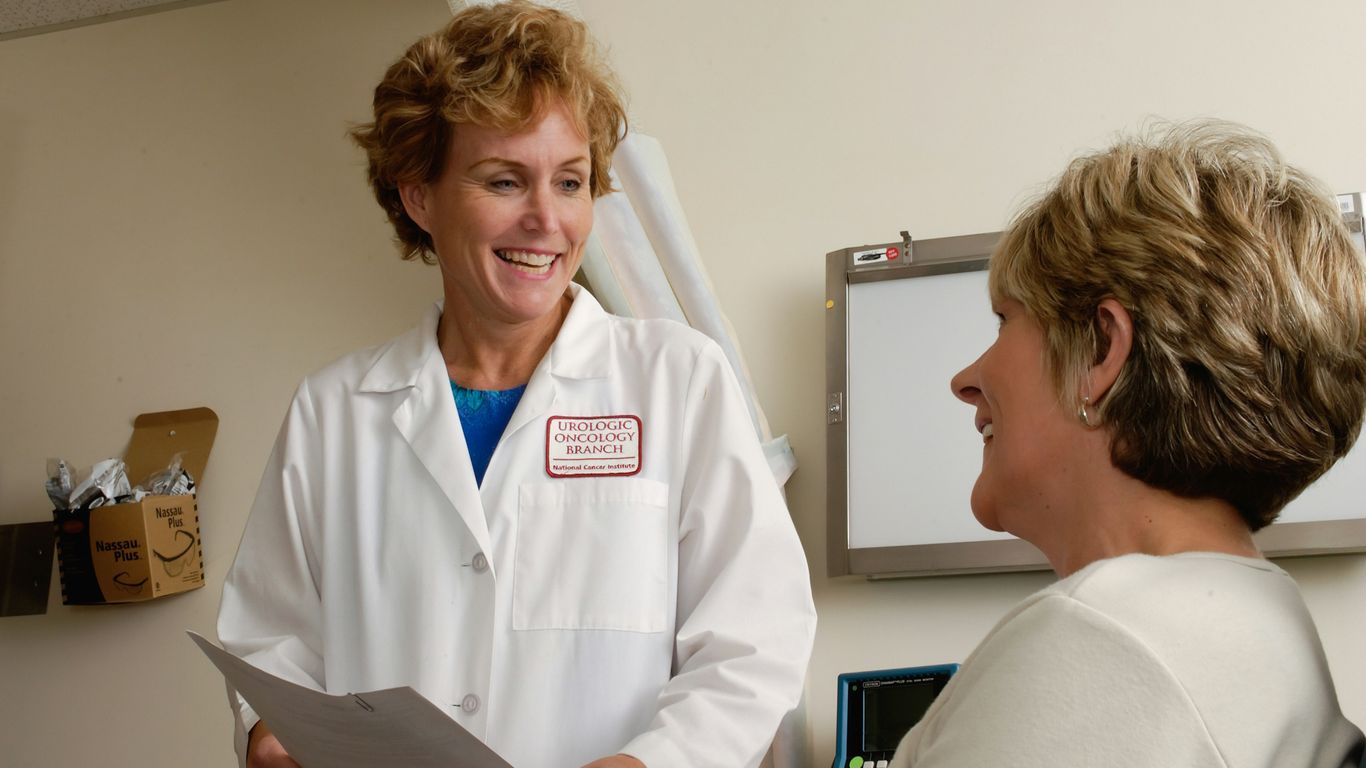
It's not enough to simply spend money on marketing; you need to know if that money is actually working for you. That's where measuring your return on investment (ROI) comes in. For cosmetic clinics in Vancouver, understanding this metric is key to sustainable growth. Without it, you're essentially flying blind, hoping your marketing efforts are paying off.
First things first, you need to figure out how much it costs to get a new patient through your doors. This is your Cost Per Acquisition, or CPA. You calculate this by taking your total marketing spend for a specific period and dividing it by the number of new patients acquired during that same period. For example, if you spent $5,000 on ads last month and gained 20 new patients, your CPA is $250.
Knowing your CPA helps you evaluate the efficiency of different marketing channels. Are you spending a lot to get only a few patients? That's a red flag.
While CPA tells you the cost of getting a patient, Lifetime Value (LTV) tells you how much that patient is worth to your clinic over time. This includes not just their initial treatment but any follow-up procedures, product purchases, and referrals they might bring. A patient who undergoes a series of treatments or returns for annual maintenance will have a much higher LTV than someone who only gets a single service.
Understanding LTV is critical because it helps you justify a higher CPA if the patient is likely to spend significantly more in the long run. It shifts the focus from a single transaction to a long-term relationship.
Not all marketing channels are created equal. Some might bring in a high volume of leads, but few convert, while others might have a lower volume but a much higher conversion rate. You need to track performance by channel. This means looking at metrics like:
This granular data allows you to see which channels are most effective and cost-efficient for your clinic. For instance, you might find that while Facebook ads bring in a lot of inquiries, Google Ads generate patients who are more ready to book. This insight is invaluable for optimizing your marketing efforts.
Once you have the data, you can start identifying what's working best. Are your Google Ads campaigns for high-intent keywords like "Botox Vancouver" bringing in the most valuable patients? Are your Instagram ads effectively reaching a younger demographic interested in preventative treatments? Perhaps your email marketing to existing patients is driving a significant amount of repeat business.
The practices that excel in measuring their marketing ROI are the ones that consistently refine their strategies based on real performance data, rather than guesswork. This iterative process is what separates thriving clinics from those that struggle to grow.
With a clear understanding of which strategies yield the best results, you can make smarter decisions about where to allocate your marketing budget. If a particular channel consistently delivers a high LTV patient at a low CPA, it makes sense to invest more resources there. Conversely, if a channel is draining your budget with little to show for it, it might be time to reduce or eliminate spending on that avenue. This is where a marketing agency can often provide significant value, helping to manage and optimize spend for a better return on investment.
Marketing isn't a set-it-and-forget-it activity. The market changes, patient preferences evolve, and your competitors are always active. You need to regularly review your campaign performance, ideally on a weekly or monthly basis. Look for trends, identify underperforming ads or campaigns, and be prepared to make adjustments. This might involve tweaking ad copy, updating targeting parameters, or even testing new creative assets. Many independent practices struggle with this, with some not even conducting ROI analysis at all.
By analyzing historical data, you can begin to forecast future acquisition costs and potential outcomes. This helps with budgeting and setting realistic growth targets. If you know that, on average, it costs you $300 to acquire a patient who spends $1,500 over two years, you can project how much revenue you can expect from a $15,000 marketing investment. This forward-looking approach is crucial for strategic planning.
Ultimately, the goal of measuring and refining your patient acquisition ROI is to ensure that your clinic is growing profitably and sustainably. By focusing your resources on the most effective strategies, you can attract more of the right patients, increase their lifetime value, and build a stronger, more resilient business. It’s about making informed decisions that drive real, measurable results for your Vancouver cosmetic clinic.
Your website is often the very first point of contact a potential patient has with your clinic. It needs to make a strong, positive impression right away. Think about the overall look and feel. Is it professional, clean, and easy to navigate? Does it clearly communicate what you do and who you serve? A well-designed website that loads quickly and is easy to use on any device sets a tone of competence and care. Visitors should be able to find the information they need without frustration. This includes clear details about services, physician bios, and contact information. If your site is clunky or confusing, people will likely leave and look elsewhere.
Once a patient decides to reach out, the process should be as smooth as possible. Make it simple for them to ask questions or book an appointment. This could mean having a prominent contact form, a readily available phone number, or even an online booking system. Avoid making them jump through hoops. The easier you make it for someone to take the next step, the more likely they are to do so. Consider offering different ways to connect, catering to various patient preferences. This initial interaction is a direct reflection of your clinic's efficiency and patient-centered approach.
Every interaction, from the first phone call to the follow-up email, should be professional and welcoming. Your staff are the voice and face of your clinic. They need to be trained to communicate clearly, empathetically, and with a helpful attitude. This applies to all team members, from the front desk to the clinical staff. Consistent, positive communication builds trust and reassures patients that they are in good hands. Think about the language used – is it clear, respectful, and easy to understand? Avoid overly technical jargon that might confuse or alienate patients.
Honesty and transparency are key when discussing treatments. Patients come to you seeking solutions, and it's your responsibility to provide realistic expectations. This means clearly explaining what a procedure involves, the potential results, and any associated risks or recovery times. Mismanaged expectations can lead to dissatisfaction, even if the treatment itself was successful. Use visual aids like before-and-after photos (with patient consent, of course) to illustrate potential outcomes. Discussing these points openly during consultations is vital.
Before any procedure, patients need to feel fully informed and prepared. This involves providing detailed instructions on what to do before the appointment, what to expect on the day, and how to prepare for recovery. This information can be delivered through various channels, such as printed materials, email, or a patient portal. The more prepared a patient is, the less anxious they will feel. This proactive approach demonstrates your commitment to their well-being and helps prevent common issues that can arise from a lack of information. For example, understanding pre-op instructions is critical for successful surgical outcomes.
Once patients arrive at your clinic, the environment should be calming and professional. From the waiting area to the treatment room, every detail matters. Is the space clean and well-maintained? Is the staff attentive and welcoming? Creating a comfortable atmosphere can significantly reduce patient anxiety. A positive in-clinic experience reinforces the trust built through earlier interactions. Consider small touches like offering refreshments or providing comfortable seating. The goal is to make patients feel valued and at ease throughout their visit.
The patient journey doesn't end when the treatment is complete. Providing thorough post-treatment care and support is just as important. This includes clear instructions for recovery, follow-up appointments, and readily available contact information for any concerns. Ongoing support shows patients you care about their long-term results and well-being. This can also be a great opportunity to gather feedback and encourage positive online reviews, which are invaluable for attracting new patients.
Ultimately, the goal is to build lasting relationships with your patients. This goes beyond single treatments. By consistently providing excellent care, communicating effectively, and showing genuine interest in their satisfaction, you can cultivate loyalty. Loyal patients are more likely to return for future treatments and refer others to your clinic. Focusing on the entire patient experience, from the first click to long after their last visit, is the foundation of sustainable practice growth.
It's easy to get caught up in the excitement of new marketing campaigns, thinking that more advertising equals more patients. But what happens when those new patients flood your clinic, and your operations can't keep up? That's where the real magic happens – or doesn't. Aligning your marketing efforts with your clinic's capacity is not just good practice; it's fundamental to sustainable growth.
Imagine running a fantastic campaign that brings in a surge of new inquiries. If your front desk staff is overwhelmed, your consultation rooms are booked solid for weeks, and your treatment providers are already at maximum capacity, those potential patients might just walk away. It's like advertising a five-star restaurant but only having one chef and two tables. You need to make sure your marketing promises can be met by your actual service delivery. This means having honest conversations about how many new patients your clinic can realistically handle each week or month without compromising the quality of care or creating burnout for your team. Consider what your clinic's capacity truly is before you ramp up your advertising spend.
An efficient clinic runs like a well-oiled machine. This involves more than just booking appointments. It's about managing the entire patient journey, from the initial phone call or online inquiry to the follow-up after their treatment. Think about:
When operations are smooth, it creates a positive experience that marketing can't buy. It also means your team has more time to focus on providing excellent care, rather than constantly putting out fires.
Your staff are the frontline of your clinic. They are the ones interacting with patients every day, and their performance directly impacts patient satisfaction and retention. Marketing might bring people in the door, but it's your team that makes them feel welcome and cared for. Investing in training for your receptionists, nurses, and aestheticians is non-negotiable. This training should cover not only clinical skills but also communication, customer service, and how to handle patient inquiries with professionalism and empathy. A well-trained team can turn a first-time visitor into a loyal patient.
This might seem obvious, but it bears repeating. The quality of your treatments is the bedrock of your clinic's reputation. Marketing can attract attention, but it's the results of your procedures that will keep patients coming back and referring others. This means staying current with the latest techniques, using high-quality products, and adhering to all safety and regulatory standards. If your marketing promises exceptional results, your clinical practice must consistently deliver them. This is especially important in a competitive market like Vancouver, where patients have many choices.
To truly see the synergy, you need to connect your marketing objectives with your operational key performance indicators (KPIs). For example, if a marketing goal is to increase bookings for a specific treatment, an operational KPI might be the number of consultations scheduled for that treatment or the provider's capacity to perform it. This integration allows you to see if your marketing is actually translating into tangible business results and if your operations can support that growth. It's about making sure both sides of the business are working towards the same outcomes. For instance, Genius Marketing Co. focuses on capturing high-intent searches, which directly relates to the operational goal of filling specific service slots.
Technology can be a game-changer for both marketing and operations. Think about patient management software (CRM) that can track patient history, preferences, and communication, allowing for more personalized marketing and smoother follow-ups. Online booking systems simplify the process for patients and reduce the administrative burden on your staff. Even simple tools like automated appointment reminders can reduce no-shows, directly impacting your clinic's efficiency and revenue. The right technology can bridge the gap between marketing outreach and operational execution.
Ultimately, the synergy between marketing and operations boils down to creating an outstanding patient experience. This means every touchpoint, from seeing an advertisement online to walking out of the clinic after a treatment, should be positive and professional. A strong culture of service excellence means your entire team is committed to patient satisfaction. When marketing and operations work in harmony, you build a reputation that attracts new patients and keeps existing ones coming back, creating a cycle of trustworthy growth.
When marketing and operations are in sync, your clinic is positioned for significant growth. Marketing brings in the right kind of patients, and efficient operations ensure they have a positive experience, leading to repeat business and referrals. This cohesive approach means you're not just acquiring patients; you're building a sustainable, thriving practice. It's about looking at the whole picture and making sure every part of your business supports the others. This integrated strategy is what separates successful clinics from those that struggle to gain traction.
Your cosmetic clinic's brand identity is more than just a logo or a color scheme; it's the entire perception potential patients have of your practice. In a busy market like Vancouver, a strong, consistent brand is what sets you apart and draws people in. It communicates who you are, what you stand for, and why you're the right choice for their aesthetic needs.
Before you can build a brand, you need to know what your clinic is all about. What are the guiding principles that inform every decision you make? Is it patient safety above all else? A commitment to natural-looking results? Or perhaps a focus on cutting-edge technology? Clearly defining these core values and your overarching mission will provide a solid foundation for all your branding efforts. This clarity helps ensure that your external messaging aligns with your internal operations and patient care.
Your clinic's name and logo are often the first points of contact a potential patient has with your brand. They need to be professional, memorable, and reflective of the services you offer. A name that is easy to pronounce and spell, combined with a visually appealing logo, can significantly impact initial recognition and recall. Think about what kind of impression you want to make – sophisticated, approachable, innovative? Your name and logo should convey that message instantly.
Consistency is key in branding. Once you have your name and logo, you need to apply them consistently across all platforms. This includes your website, social media profiles, brochures, signage, and even staff uniforms. Use a defined color palette and typography that aligns with your brand's personality. This visual uniformity builds recognition and trust, making your clinic instantly identifiable to your target audience. For example, maintaining a high-quality visual brand identity on platforms like Instagram is vital for luxury services [9bb5].
Beyond visuals, your brand's voice and tone communicate your personality. Are you informative and authoritative, or warm and friendly? Your communication style should be consistent in all written and spoken interactions, from website copy and social media posts to patient consultations. This voice should reflect your clinic's values and appeal to your ideal patient demographic. A well-defined voice makes your brand relatable and approachable.
People connect with stories. What is the narrative behind your clinic? Perhaps it's the founder's passion for aesthetic medicine, a patient's transformative journey, or the clinic's commitment to community involvement. Sharing your brand story in an authentic way can create an emotional connection with potential patients, making your clinic more than just a service provider but a trusted partner in their aesthetic goals.
To stand out in Vancouver, your brand needs to be visible and memorable. This involves a multi-faceted approach. Consider local sponsorships, community events, and collaborations with other Vancouver businesses. The goal is to become a familiar and trusted name within the local community. Consistent marketing efforts across various channels will help solidify your presence and make your clinic a go-to destination for aesthetic treatments.
In today's digital age, patients interact with your brand across numerous touchpoints. It's imperative that the message and visual representation are the same everywhere. Whether they encounter your clinic on social media, your website, or through a referral, the experience should feel cohesive. Inconsistencies can create confusion and erode trust, so regular audits of your brand's presence are recommended.
Once you've established a strong brand identity, you can begin to build brand equity – the value your brand name adds to your services. This equity translates into patient loyalty. Patients who trust and connect with your brand are more likely to return for future treatments and recommend your clinic to others. Nurturing this loyalty through exceptional service and consistent brand experience is the ultimate goal of a robust brand identity.
Building a strong brand is key to attracting patients. Think of it like creating a memorable first impression that makes people want to learn more. A clear and consistent brand helps patients understand who you are and what makes you special. Ready to make your practice stand out? Visit our website to discover how we can help you build a brand that patients love.
So, you've looked at different ways to bring more people into your Vancouver cosmetic clinic. Remember, it's not just about getting them in the door once. Think about making them feel good about choosing you, so they keep coming back. Using ads to find new faces is smart, but don't forget the people who already trust you. Building your own list of interested folks and talking to them regularly is key. Keep trying different things, see what works best for your clinic, and put your energy there. Growing your practice takes consistent effort, but by focusing on these strategies, you're setting yourself up for real success.
To attract more patients, you can use different methods. Think about using online ads that show up when people search for treatments you offer. Also, create helpful free guides or quizzes that people can download or take by giving you their contact info. Focusing on making current patients happy and encouraging them to return is also a great way to grow.
The most effective way is to use online tools. This includes using search engines like Google to show ads when someone types in keywords related to your services. Social media platforms like Facebook and Instagram are also good for showing ads to specific groups of people who might be interested in what you offer.
You can stand out by highlighting what makes your clinic special. Do you offer a unique treatment? Do you have a specific area of expertise? Clearly tell people why they should choose your clinic over others. This could be through your website, social media, or even how your staff talks to potential patients.
Yes, advertising can be very helpful. Ads on Google can reach people who are actively searching for cosmetic treatments right now. Ads on social media can help you find people who fit the profile of your ideal patient, even if they aren't searching at this exact moment. It's a way to get your clinic in front of many eyes.
Lead magnets are free things you offer, like a guide or a checklist, in exchange for someone's contact information (like an email address). They help because they attract people who are interested in what you do. Once you have their contact info, you can then send them more information and invite them to book an appointment.
Having your own list of contacts is like having your own direct line to people who are interested in your services. You're not relying on social media platforms that can change their rules. This list lets you send emails or texts directly to potential and current patients to keep them informed and encourage them to book appointments.
The best way is to give them an amazing experience every time they visit. This means providing great service, making sure they feel well taken care of, and giving them all the information they need about their treatments. When patients are happy, they are more likely to return and even tell their friends about you.
Public relations is about building a good reputation for your clinic in the eyes of the public. It involves getting positive mentions in the news or through trusted sources. This can make your clinic seem more credible and trustworthy, which can attract new patients who see that your clinic is well-regarded.
Your website is super important! It's often the first place potential patients will look to learn about your clinic. It needs to look professional, be easy to use on phones, and clearly show what services you offer and how to book an appointment. A good website builds trust and makes it easy for people to take the next step.
Absolutely! Looking at data helps you understand what's working and what's not. You can see which ads bring in the most patients, which website pages people visit most, and who your typical patient is. This information helps you spend your marketing money more wisely and focus on the strategies that give you the best results.
New trends include using artificial intelligence to make marketing more personal, offering virtual consultations before in-person visits, and working with social media influencers. Also, making marketing more about being ethical and sustainable is becoming more important to patients.
Always be honest in your advertising. Don't make promises you can't keep or exaggerate results. Make sure patient safety is the top priority and that you are clear about potential risks or recovery times. Building trust through honest communication is key to long-term success.
Your next phase of growth requires a focused strategy. Instantly quantify your potential return with our Marketing ROI Calculator.
You're paying for traffic, but 80% of leads go cold within 10 minutes. Download our Speed-to-Lead Architecture Kit (Calculators + Scripts) and fix your follow-up system today.
Includes the "Revenue Leak" Calculator & Copy-Paste Scripts.