

January 31, 2026
Master employer brand marketing to win the war for talent. Build a powerful digital presence, craft your EVP, and leverage channels for maximum impact. Learn how.
In today's competitive job market, simply having open positions isn't enough to attract the best people. You need to actively market your company as a great place to work. This is where employer brand marketing comes in. It's about showing potential hires what makes your company special and why they should join your team. By building a strong digital presence, you can make sure your company stands out and wins the war for talent.
In today's competitive landscape, securing top talent is as vital as acquiring new clients. Employer brand marketing is your strategic advantage in this pursuit. It's about shaping how potential hires perceive your company as a place to work, moving beyond simple job postings to showcase your unique culture and opportunities. Think of it as marketing your company, but your audience is the talent you need to grow.
Your employer brand is the sum of perceptions about your company as a place to work. It’s built on authentic stories, a clear promise to your team, and an employee experience that consistently lives up to that promise. This isn't just about what you say; it's about what your current and former employees experience and share. A strong reputation attracts people who align with your values and mission, making them more likely to apply and accept offers.
What was once considered a secondary HR function is now a core business strategy with a direct impact on your bottom line. The competition for skilled professionals is intense, and a good salary alone isn't enough to win. Candidates are savvy; they research your company culture, read reviews, and look for genuine alignment with their own values before considering an application. If your employer brand is weak, you risk being invisible to a significant portion of the talent pool. Building this reputation takes intention, but the payoff is lasting. Companies that invest in employer branding don't just hire faster; they build stronger, more loyal teams that drive business growth. Assessing your current online presence is the crucial first step.
When executed effectively, employer branding becomes your competitive edge. It makes candidates more likely to apply, accept your offers, and stay with your company long-term. Even smaller remodeling contractors can build a powerful brand that attracts top talent. A well-defined employer brand can lead to tangible results, such as reduced hiring costs and improved talent quality. Data shows that companies with strong employer brands see a significant jump in application volume and a reduction in costly turnover. Ultimately, effective employer brand marketing transforms your organization into a talent magnet, laying the groundwork for sustainable growth and positioning your company as an industry leader.
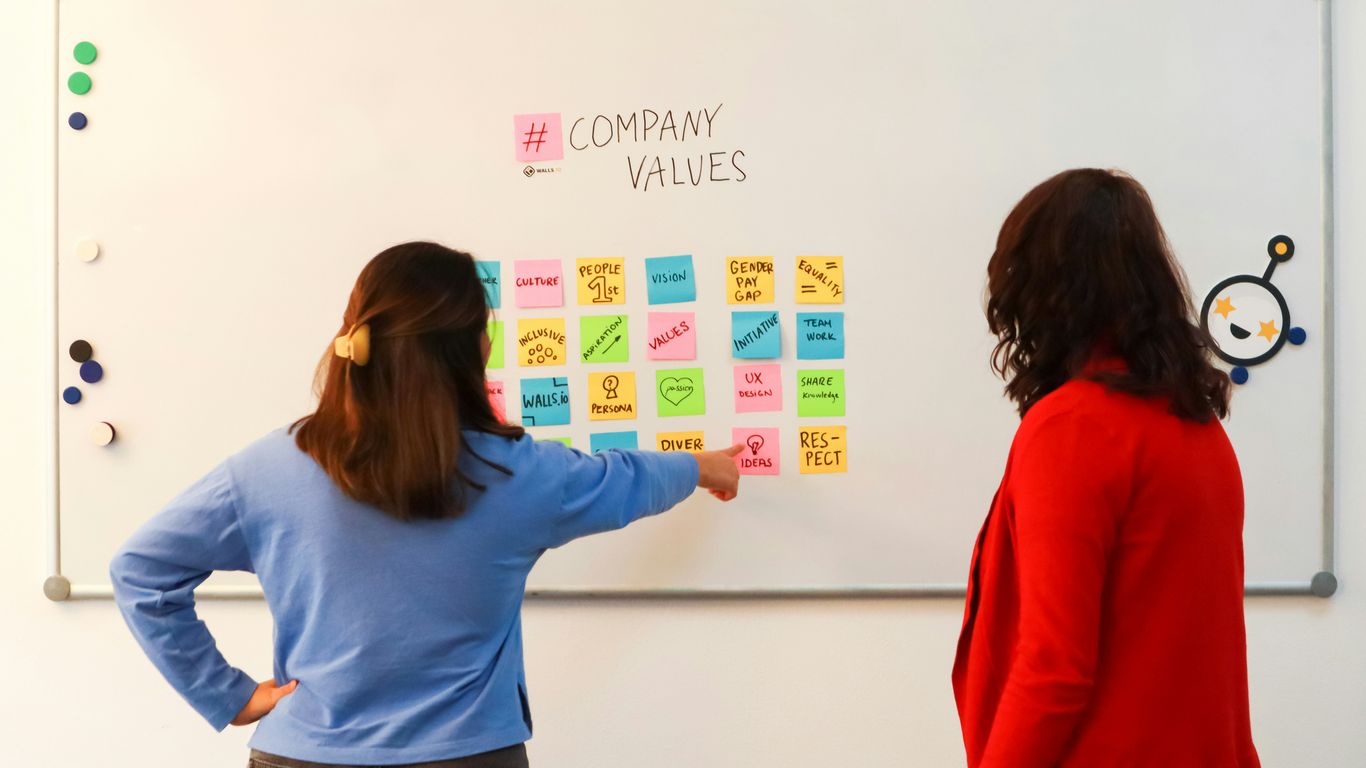
Your Employer Value Proposition (EVP) is the core promise you make to your team – what they receive in exchange for their skills and commitment. It’s not about making things up; it’s about discovering what genuinely makes your company a good place to work, straight from the people who know it best: your employees. This makes your employer brand marketing truthful, not just hopeful.
To build an EVP that truly connects, you must first understand your company's DNA. This means listening intently to your current employees. Their daily experiences, what motivates them, and even their challenges are the keys to an EVP that feels real. You can't just ask casually; a structured approach is needed to gather both broad data and personal insights. This isn't a one-time task but an ongoing conversation.
The goal is to uncover the genuine reasons why people choose to stay and contribute to your company, forming the bedrock of your EVP.
Once you've identified your unique strengths, you need to communicate them clearly. Your EVP should answer the candidate's fundamental question: "Why should I work here?" It acts as a filter, attracting individuals who will thrive in your environment and helping those who wouldn't be a good fit to self-select out. This alignment is vital for long-term retention and engagement. Think about how you can showcase these strengths through real stories and examples, rather than just listing benefits. This is where you start building a compelling employer brand narrative.
An authentic EVP doesn't just highlight what your company offers; it connects with what potential hires value in their careers. Research your target audience to understand their aspirations, priorities, and what they look for in a workplace. Does your company culture emphasize innovation, collaboration, or work-life balance? Ensure your EVP clearly articulates these aspects and demonstrates how they align with the values of the talent you aim to attract. This careful alignment ensures that the candidates you bring on board are not only skilled but also a good cultural fit, leading to greater job satisfaction and loyalty.
Your digital presence is no longer just a nice-to-have; it's the primary battleground for attracting top talent. To win this war, you must strategically deploy your employer brand across various online platforms. This isn't about simply posting job ads; it's about building a consistent narrative that showcases your company's unique culture and value proposition.
Your careers page is your digital storefront for talent. It needs to be more than a list of openings; it should be an immersive experience that brings your Employer Value Proposition (EVP) to life. Use this space to feature authentic employee stories through videos and articles, highlight your company culture with behind-the-scenes content, and clearly articulate your value pillars like growth and impact. A well-designed, content-rich careers page reassures candidates that the brand they saw elsewhere is the real deal. Think of it as your primary digital handshake. Job boards, while often transactional, can also be optimized. Ensure your company profile is complete, visually appealing, and consistent with your brand voice. Consider how you can use rich media or employer branding statements within your job postings to stand out from the competition.
Social media platforms are where you initiate conversations and build relationships. Each platform serves a distinct purpose in your employer brand marketing strategy. LinkedIn is your hub for professional credibility; share executive thought leadership, celebrate employee achievements, and post industry insights. Targeted ads here can precisely reach specific talent segments. For Instagram and Facebook, focus on showcasing your human side. Share candid photos from team events, "day-in-the-life" stories, and allow employees to take over accounts. This type of content reveals the personality behind your logo. Authentic storytelling is key to building trust and making your company relatable.
Beyond broadcasting your brand, actively cultivate communities where potential candidates gather. This involves engaging in industry-specific online forums and groups. Participate in discussions, offer insights, and build genuine connections. For more targeted outreach, consider using platforms like LinkedIn for business to run specific campaigns. Nurturing leads means staying in touch with promising candidates who may not be ready to apply immediately. This can be done through email campaigns that share relevant content, invitations to virtual events, or simply by maintaining engagement on social media. The goal is to keep your company top-of-mind so that when the right opportunity arises, you are their preferred choice.
Your current team members are your most credible asset. When they share their experiences, it feels real. Think about it: a post from a team member about a great project or a supportive manager carries more weight than any official company statement. This is employee advocacy. It’s about giving your people the tools and encouragement to talk about your company authentically on their own networks. This organic reach builds trust in a way advertising simply cannot. We’ve seen this work wonders for companies looking to attract top talent.
To get this going, you don't need a complex system. Start by providing simple, pre-approved content they can share. Run internal contests to see who can share the most engaging posts. Recognize those who become your biggest advocates. This kind of word-of-mouth marketing, amplified digitally, is incredibly effective for building a relatable brand.
What people say about you online matters. Sites like Glassdoor are where potential hires go to get the inside scoop. You need to be present and active there. This means responding to reviews, both the good and the not-so-good. Encourage your satisfied employees to share their honest thoughts too. Ignoring these platforms is a missed opportunity, as a significant number of job seekers check reviews before even applying. A proactive approach here can significantly improve your company's image.
Employee testimonials are gold. They provide concrete examples of what it’s like to work with you. Whether it’s a short quote on your careers page, a video on social media, or a detailed blog post, these stories humanize your brand. They showcase your culture, highlight growth opportunities, and demonstrate the real impact your team members have. When potential candidates see these authentic accounts, it builds a strong sense of trust and credibility. This is especially important when trying to convert traffic from platforms like Meta into qualified leads; homeowners want to see that others have had positive experiences with remodeling contractors, and testimonials provide that essential social proof.
Building a strong employer brand isn't just about what you say; it's about what your employees say and what the public perceives. This social proof acts as a powerful validator for your company's culture and values, directly influencing candidate decisions.
Your Employer Value Proposition (EVP) is the foundation, but content is the structure that brings it to life for potential hires. It’s how you translate what makes your company a great place to work into stories that connect. Think of it as showing, not just telling, candidates why they should join your team. This approach builds trust and makes your brand memorable.
Candidates want to see what a typical day looks like. Instead of just stating you have a collaborative environment, show it. Feature short videos or photo essays of your team members working together, solving problems, or even just sharing a coffee break. These glimpses into daily operations offer a real feel for your workplace. Authenticity here is key; let your employees' genuine experiences shine through. This kind of content helps candidates picture themselves within your organization, making the prospect of joining feel more concrete.
Top talent is always looking for a place where they can grow. Your content should clearly outline the paths for advancement within your company. This could involve:
Presenting these opportunities visually, perhaps through infographics or short interviews, makes them more impactful than a simple list on a careers page. This demonstrates a real investment in your people's futures.
Rich media formats, especially video, are incredibly effective for conveying complex information and emotions. Consider creating short documentaries about your company's mission, behind-the-scenes looks at innovative projects, or Q&A sessions with leadership. Articles and blog posts can complement these by offering more in-depth insights into specific aspects of your culture or employee benefits. For instance, an article detailing how your company supports work-life balance, complete with employee quotes, can be very persuasive. This type of content helps build a stronger connection with potential applicants and improves your perceived organizational attractiveness.
The most effective content reflects the real work life of your employees. It’s a window, not an advertisement. This consistency across all touchpoints builds trust and makes your employer brand stick in people's minds.
You've invested time and resources into building a strong employer brand. Now, how do you prove its worth? It’s not enough to simply launch initiatives and hope for the best. To truly demonstrate the value of your employer brand marketing and secure continued investment, you must focus on the metrics that directly influence your business outcomes. This means moving beyond superficial numbers and connecting your branding activities to real improvements in attracting and retaining top talent.
A well-defined employer brand acts as a magnet, drawing in candidates organically. This reduces your reliance on costly external recruitment agencies and expensive job board postings. When your company's reputation precedes it, the hiring process becomes more efficient. You'll notice a decrease in the average cost associated with filling each position and a shorter duration from when a role is opened to when an offer is accepted. This directly impacts your bottom line, showing a clear return on your branding investment.
Clarity in your employer brand attracts individuals who are not only skilled but also a good cultural fit. This alignment leads to higher-quality hires who are more likely to succeed and stay with your company. When the reality of working at your company matches the promise made during the recruitment process, employee loyalty grows. This significantly lowers your voluntary turnover rate, saving substantial costs associated with replacing employees and the loss of institutional knowledge. A strong brand promise, consistently delivered, is key to building a dedicated workforce.
Data provides undeniable proof of your employer brand's effectiveness. An increase in the volume of applications, particularly from qualified candidates, is a direct indicator that your message is reaching the right audience. Furthermore, tracking candidate engagement throughout the application process—from initial interest to offer acceptance—shows how effectively your brand is building connections. This data helps you understand what aspects of your brand story are most compelling and where you might need to adjust your approach to maintain candidate interest. You can see more about how reputation drives talent in the full Statista rankings.
By diligently tracking these key performance indicators, you move beyond anecdotal evidence. You build a compelling business case that positions employer brand marketing not as an expense, but as a strategic investment in your company's most valuable asset: your people.
You've worked hard to build a solid reputation for your remodeling business. Now, let's talk about making sure you always have skilled craftspeople ready to join your team. This isn't about just posting a job and hoping for the best; it's about creating a system that consistently brings in good people, even when you're not actively hiring.
Think of your employer brand as the reputation you have as a place to work. It’s what people say about you when you’re not in the room. For kitchen and bathroom remodelers, this means highlighting the stability of your business, the quality of the projects you undertake, and the opportunities for your team to grow their skills. A strong employer brand acts as a magnet, drawing in candidates who align with your company's values and work ethic. It’s about showing potential hires that you offer more than just a paycheck; you offer a career path and a supportive environment. This long-term approach to attracting talent is what separates businesses that are always scrambling for help from those that have a steady stream of qualified applicants. It’s about building trust and familiarity, so when someone is ready for a change, your company is already top of mind. This consistent visibility helps you build a talent magnet.
Keeping good people is just as important as finding them. Your employer brand plays a big role here too. When your team feels valued and sees opportunities for advancement, they're more likely to stay. This internal loyalty then translates externally. Happy employees become your best recruiters. They talk about the good work environment, the interesting projects, and the fair treatment. This word-of-mouth is incredibly powerful. For you, this means actively nurturing your current team. Provide training, recognize good work, and create a culture where people feel respected. When you do this, you not only improve retention but also generate authentic interest from people outside your company who hear about your positive work environment. It’s about creating a cycle of positive reinforcement that benefits everyone involved.
When you have a well-defined employer brand and a system for nurturing candidate interest, your hiring process speeds up. Instead of starting from scratch every time you need someone, you have a pool of interested individuals. This could be through a talent community you’ve built, or simply by having a reputation that precedes you. Imagine needing a skilled carpenter or a tile setter; instead of a lengthy search, you can reach out to people who already know and respect your company. This preparedness means you can take on more projects, respond faster to market demands, and ultimately, grow your business more effectively. It’s about being proactive, not reactive, in your talent acquisition. This strategic advantage allows you to capitalize on opportunities quickly, much like understanding the 'tipping point' in marketing can lead to rapid growth based on Gladwell's insights.
Think of your employer brand as the core message about why someone should want to work for your company. Recruitment marketing is how you get that message out to the right people, at the right time. When these two work together, they make each other stronger. Your brand tells candidates what makes you special, and recruitment marketing campaigns deliver that story to them effectively.
This combined approach gives you an edge. It means your company sounds the same everywhere candidates see you, creating a consistent experience. This helps more people move from just knowing about you to actually applying for jobs. It also means you won't have to rely so much on expensive job ads over time.
Your employer brand is the foundation. It's about your company's reputation as a place to work – what current employees, past employees, and potential hires think of you. Recruitment marketing takes that reputation and actively promotes it. It uses marketing tactics like storytelling and targeted campaigns to reach the talent you need. This isn't just about filling open spots; it's about selling the employee experience, your values, and the culture that makes your company a good place to join. This integrated approach is key to attracting and keeping the best people.
It’s important that every place a candidate interacts with your company tells the same story. This includes your career site, job postings, social media, and even the emails they receive. When your employer brand message is consistent everywhere, it builds trust and makes your company memorable. For example, if your brand talks about growth opportunities, make sure that message is clear on your career page and in job descriptions. This consistency helps candidates feel a connection to your organization long before they even apply. Building an impactful brand experience is key for customer loyalty and differentiation [cd0c].
When you properly combine employer branding with recruitment marketing, you create a powerful system for attracting talent. Companies that do this well are much faster at finding good candidates. They also tend to have better retention rates because people who join are already aligned with the company culture. This efficiency means you spend less time and money on hiring. It allows your HR team to focus on more strategic tasks instead of just filling roles. Ultimately, a strong, visible employer brand makes your company a place where top talent wants to be.
Social media presents a double-edged sword for employer branding. On one hand, platforms like LinkedIn, Facebook, and even Instagram offer direct lines to potential hires, allowing you to showcase your company culture and values authentically. You can share day-in-the-life stories, highlight employee successes, and engage in conversations that build a relatable image. This is where you can really let your company's personality shine.
However, the public nature of these platforms also means that negative feedback or missteps can spread quickly. It’s vital to have a clear strategy for managing your online presence. This includes having guidelines for employee posts, a plan for responding to comments (both positive and negative), and a consistent brand voice. Think of your social media as a public forum where every interaction counts.
Your digital presence is built on two main types of media: owned and earned. Owned media includes your company website, career pages, and official social media profiles. This is your controlled environment where you set the narrative. Your career site, for instance, should be the central hub, a place where candidates can find all the essential information about working with you.
Earned media, on the other hand, is what others say about you – think employee reviews on sites like Glassdoor, news articles, or shares from your employees on their personal networks. This type of media often carries more weight because it's seen as more credible. To maximize earned media, encourage your employees to share their positive experiences and actively manage your reputation on review sites by responding thoughtfully to feedback. A proactive approach here can significantly influence how potential hires perceive your company.
While consistency is key, a one-size-fits-all approach to your brand voice won't work across every digital channel. Each platform has its own audience, format, and typical tone. What works on LinkedIn might feel too formal for TikTok, and a lengthy article might not fit the quick, visual nature of Instagram Stories.
Your goal is to adapt your core employer brand message to suit each platform. This means understanding the nuances of where your target candidates spend their time and tailoring your content accordingly. For example:
By adjusting your tone and format, you can ensure your message is received effectively and builds genuine connections with a wider range of potential hires.
Want to get ahead online? It's like finding your way through a big city. You need a good map and a smart plan. We help you build a strong online presence so more people find you. Ready to make your mark? Visit our website today to learn how we can help you succeed online!
So, you've seen how important it is to have a strong online presence for attracting the right people. It's not just about posting jobs anymore; it's about showing everyone what it's really like to work at your company. By consistently sharing your story and being authentic, you'll draw in candidates who fit your culture and are excited to join. This approach makes hiring easier, keeps good people around longer, and ultimately helps your business grow. Don't underestimate the power of your digital footprint – make it work for you in this competitive landscape.
Think of employer brand marketing as telling the story of why your company is a great place to work. It's about showing off your company's unique culture, what you stand for, and the cool opportunities you offer. It’s like advertising your company, but instead of trying to get customers, you're trying to attract and keep the best employees.
In today's world, talented people have lots of choices for jobs. They don't just look at salary; they want to work somewhere that matches their values and offers a good work environment. A strong employer brand helps you stand out from other companies and attract people who truly fit in and want to stay.
To find your unique strengths, you need to look closely at what makes your company culture tick. What are your company's core values? What do your current employees love about working there? Talking to your team and understanding what makes your workplace special is key to building an authentic brand.
You can use many digital tools! Make sure your company's career website is exciting and shows what it's like to work there. Use social media to share real stories from employees, highlight your company culture, and talk about growth opportunities. Building online groups where potential hires can connect is also a great idea.
Your employees are your best advertisers! When they share their positive experiences online or tell friends about your company, it's super trustworthy. You can help them by making it easy for them to share company news and by celebrating their contributions as brand ambassadors.
Create content that shows the real life at your company. Share stories about a typical day for an employee, highlight chances for learning and growing, and make videos or articles that tell your company's story. Authentic content helps people imagine themselves working there.
You can measure success in a few ways. See if it's taking less time and money to hire people. Check if the people you hire are a better fit and stay with the company longer. Also, track how many people are applying for jobs and how interested they seem in your company.
Employer branding is about building your company's reputation as a great place to work over the long term. Recruitment marketing is more about specific actions to get people to apply for jobs right now. They work best together – a strong brand makes recruitment marketing much more effective.
Your next phase of growth requires a focused strategy. Instantly quantify your potential return with our Marketing ROI Calculator.
You're paying for traffic, but 80% of leads go cold within 10 minutes. Download our Speed-to-Lead Architecture Kit (Calculators + Scripts) and fix your follow-up system today.
Includes the "Revenue Leak" Calculator & Copy-Paste Scripts.